
It is never normal for a child to experience pain in his or her feet. Foot pain that lasts more than a few days and limits a child’s ability to walk should be examined by a podiatrist. Many adult foot ailments originate in childhood and may be present at birth. Common foot issues that are experienced by children are pediatric flat foot, Sever’s disease, ingrown toenails, and plantar warts.
A child’s foot grows rapidly during the first year, allowing it to reach almost half of their adult foot size. Consequently, foot specialists consider the first year to be the most crucial point in the foot development process. There are ways you can help ensure that your child’s foot develops properly. One way is to carefully look at your baby’s feet. If you notice any deformities, you should immediately seek professional care. You should also loosely cover your child’s foot, since tight coverings may prevent movement and inhibit normal development. Another tip is to change the baby’s positioning throughout the day. If your baby lies down in one spot for too long, it may put an excess amount of strain on the feet and legs.
It is best that you try not to force a child to start walking. Children will begin to walk when they are both physically and emotionally capable to do so. You should also avoid comparing your child’s walking progress with other children because the age range for independent walking may range. When your child’s feet begin to develop, you may need to change both their shoe and sock size every few months to allow room for their feet to grow.
Kids are sometimes prone to splinters, cuts, and severe injuries because they tend to walk around barefoot. This also makes them more susceptible to developing plantar warts which is a condition caused by a virus that invades the sole of the foot through breaks in the skin. These ailments can be avoided by making sure your child wears shoes in unsanitary environments. You should also wash any minor cuts or scrapes on your child’s feet. It is a myth that exposure to fresh air will heal injuries; fresh air will only expose your child’s cuts to germs.
As a parent, you should ensure that your child’s feet are developing properly and are being properly maintained. Consequently, it is important that you perform routine inspections on his or her feet to detect any injuries or deformities in their early stages. Early detection and treatment will help to ensure that your child does not develop any serious foot conditions.

There may be evidence that kidney disease and the foot condition that is known as gout are connected. Gout is an extremely painful ailment that affects the joints in the big toe. It is caused by excess uric acid in the blood which may happen from eating foods that have high levels of purines. The kidneys break down the uric acid, and existing kidney disease may inhibit the ability to do that. Foods that fall into this category can include shellfish, red meat, excessive amounts of alcohol, and drinks that are made with large amounts of sugar. The uric acid forms crystals in the joints of the toes, often beginning with the big toe. This is known as a gout attack and it generally happens suddenly. In addition to the debilitating pain that often accompanies gout, common symptoms can include a limited range of motion, and the affected toe can become red from inflammation. If you have one or frequent gout attacks, it is strongly urged that you are under the care of a podiatrist who can speak to you about effective prevention techniques.
Gout is a foot condition that requires certain treatment and care. If you are seeking treatment, contact One of our podiatrists from Dr. Powers Foot and Ankle. Our doctors will treat your foot and ankle needs.
What Is Gout?
Gout is a type of arthritis caused by a buildup of uric acid in the bloodstream. It often develops in the foot, especially the big toe area, although it can manifest in other parts of the body as well. Gout can make walking and standing very painful and is especially common in diabetics and the obese.
People typically get gout because of a poor diet. Genetic predisposition is also a factor. The children of parents who have had gout frequently have a chance of developing it themselves.
Gout can easily be identified by redness and inflammation of the big toe and the surrounding areas of the foot. Other symptoms include extreme fatigue, joint pain, and running high fevers. Sometimes corticosteroid drugs can be prescribed to treat gout, but the best way to combat this disease is to get more exercise and eat a better diet.
If you have any questions, please feel free to contact one of our offices located in Bloomington and Washington, IN . We offer the newest diagnostic and treatment technologies for all your foot care needs.
Read more about Everything You Need to Know About Gout
Gout, typically found in diabetic patients, is an unusually painful form of arthritis caused by elevated levels of uric acid in the bloodstream. The condition typically strikes the big joint on the big toe. It has also been known to strike the knees, elbows, fingers, ankles and wrists—generally anywhere that has a functioning, moving joint.
The high level of uric acid in a person’s bloodstream creates the condition known as hyperuricema—the main cause of gout. Genetic predisposition occurs in nine out of ten sufferers. The children of parents who suffer gout will have a two in ten chance of developing the condition as well.
This form of arthritis, being particularly painful, is the leftover uric acid crystallizing in the blood stream. The crystallized uric acid then travels to the space between joints where they rub, causing friction when the patient moves. Symptoms include: pain, redness, swelling, and inflammation. Additional side effects may include fatigue and fever, although reports of these effects are very rare. Some patients have reported that pain may intensify when the temperature drops, such as when you sleep.
Most cases of gout are easily diagnosed by a podiatrist’s assessment of the various symptoms. Defined tests can also be performed. A blood test to detect elevated levels of uric acid is often used as well as an x-ray to diagnose visible and chronic gout.
Treatment for gout simply means eliminating symptoms. Non-steroid anti-inflammatory drugs or NSAIDs (Colchicine and other corticosteroid drugs, etc.) will quell the redness, the swelling, and the inflammation. However, managing your diet, lifestyle changes, and using preventative drugs are all helpful toward fully combating the most severe cases.
Those that lead an inactive lifestyle are at a higher risk for gout. Any amount of exercise decreases the probability of repeat encounters with the condition. Reducing your consumption of red meat, sea food, and fructose-sweetened drinks also reduces the likelihood of chronic gout as well.
Ingesting Vitamin C, coffee, and particular dairy products can help with maintaining a healthy lifestyle. There are new drugs out on the market that inhibit the body’s production of uric acid-producing enzymes. However, reducing or eliminating your overall levels of uric acid is the best remedy to ensuring you lead a gout-free life.

Having cracked heels can be uncomfortable, and this condition can develop for various reasons. Cracked heels may form due to frequently wearing flip flops, or any shoe that has an open back, in addition to standing on hard surfaces for most of the day. This may result in having dry skin on the feet and heels, and may ultimately lead to cracked heels. Severe cracks in the skin are known as fissures, and these may bleed or become infected. Cracked heels can be common among people who are older, because the fat pads may lose elasticity as the aging process occurs. Additionally, medical conditions such as obesity can cause this ailment as a result of the extra weight the heels must endure. Research has shown that heel health can be affected by zinc and iron deficiencies, and it is suggested to incorporate this into your diet after speaking with a podiatrist. Mild relief may be found when the feet are soaked in warm water, followed by applying a good moisturizer on them. If you have developed cracked heels, consult with a podiatrist so they can offer treatment methods.
If the skin on your feet starts to crack, you may want to see a podiatrist to find treatment. If you have any concerns, contact One of our podiatrists from Dr. Powers Foot and Ankle. Our doctors can provide the care you need to keep you pain-free and on your feet.
Cracked Heels
It is important to moisturize your cracked heels in order to prevent pain, bleeding, and infection. The reason cracked heels form is because the skin on the foot is too dry to support the immense pressure placed on them. When the foot expands, the dry skin on the foot begins to split.
Ways to Help Heal Them
Ways to Prevent Cracked Heels
If you are unsure how to proceed in treating cracked heels, seek guidance from a podiatrist. Your doctor will help you with any questions or information you may need.
If you have any questions, please feel free to contact one of our offices located in Bloomington and Washington, IN . We offer the newest diagnostic and treatment technologies for all your foot care needs.
Read more about Solutions for Cracked Heels
Cracked heels may make you want to think twice about showing off your feet in warmer weather. However, cracked heels may be harmful to more than just the appearance of your feet. If deep fissures and cracks develop in your heels, they may make walking and standing painful for you. Additionally, these openings make way for germs to enter through your skin and cause infection.
There are several different causes of cracked heels. One of the most common reasons for this ailment is dry skin. This problem may make your keeps feel rough tight and itchy. Dry skin may be caused by cold air, extremely hot water, harsh soaps, and aging. Skin disorders such as eczema and psoriasis may eventually lead to dry skin. In some cases, complications may arise from cracked heels. Some of these complications are a loss of feeling in the heel, cellulitis, or a diabetic foot ulcer.
There are ways you can try to prevent getting cracked heels. One of the best ways to do so is to avoid wearing flip flops and sandals because these shoes increase your risk of drying out your feet. You should also avoid wearing shoes with a tall skinny heel, because these shoes cause your heel to expand sideways. At night, you should slather on a thick moisturizing cream on your feet and then cover them in socks to keep your feet moisturized overnight. Drinking water to stay hydrated is also a good way to ensure that your skin doesn’t become dry.
If you suffer from a severe case of cracked feet, you should make an appointment with your podiatrist to see what treatment methods are best for you.
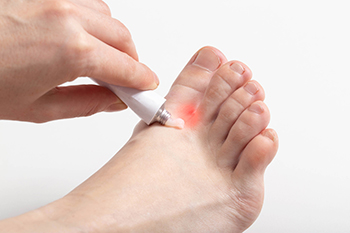
The foot condition known as athlete’s foot was originally named as a result of athletes getting this type of fungal infection. Despite this fact, it is common among the general population and can be quite uncomfortable. The fungus that causes this condition lives in warm environments and enters the body through small cracks in the skin. Public swimming pools, shower room floors, and locker rooms are common areas where this fungus is found. The symptoms that many people experience with this ailment include dry skin that becomes red and inflamed, and in severe cases, blisters may develop between the toes. Proper preventive methods consist of washing the feet, followed by drying them completely. Additionally, it is beneficial to wear appropriate shoes, such as flip-flops or water shoes, while in these types of areas. Many people seek expert medical attention that can provide relief, and it is suggested that you confer with a podiatrist who can prescribe the correct medications for athlete’s foot.
Athlete’s Foot
Athlete’s foot is often an uncomfortable condition to experience. Thankfully, podiatrists specialize in treating athlete’s foot and offer the best treatment options. If you have any questions about athlete’s foot, consult with One of our podiatrists from Dr. Powers Foot and Ankle. Our doctors will assess your condition and provide you with quality treatment.
What Is Athlete’s Foot?
Tinea pedis, more commonly known as athlete’s foot, is a non-serious and common fungal infection of the foot. Athlete’s foot is contagious and can be contracted by touching someone who has it or infected surfaces. The most common places contaminated by it are public showers, locker rooms, and swimming pools. Once contracted, it grows on feet that are left inside moist, dark, and warm shoes and socks.
Prevention
The most effective ways to prevent athlete’s foot include:
Symptoms
Athlete’s foot initially occurs as a rash between the toes. However, if left undiagnosed, it can spread to the sides and bottom of the feet, toenails, and if touched by hand, the hands themselves. Symptoms include:
Diagnosis and Treatment
Diagnosis is quick and easy. Skin samples will be taken and either viewed under a microscope or sent to a lab for testing. Sometimes, a podiatrist can diagnose it based on simply looking at it. Once confirmed, treatment options include oral and topical antifungal medications.
If you have any questions, please feel free to contact one of our offices located in Bloomington and Washington, IN . We offer the newest diagnostic and treatment technologies for all your foot care needs.
Read more about How to Deal with Athlete’s Foot
Athlete’s foot is a type of fungal infection that affects the skin on the feet. It is caused when the tinea fungus grows on the foot. It is possible to catch the fungus through direct contact with someone who has it or by touching a surface that is contaminated with it. This type of fungus thrives in warm, moist environments such as showers, locker room floors, and swimming pools. Your risk of getting it may also increase by wearing tight-fitting, closed-toe shoes, or by having sweaty feet.
Symptoms of athlete’s foot include itching, stinging or burning sensations between the toes. You may also experience toenails that are discolored, thick, crumbly, or toenails that pull away from the nail bed.
Your podiatrist may diagnose athlete’s foot by detecting these symptoms or by doing a skin test to see if there is a fungal infection present. The most common exam used to detect Athlete’s foot is a skin lesion potassium hydroxide exam. To use this method, your doctor will scrape off a small area of the infected skin and place it into potassium hydroxide. The potassium hydroxide will destroy the normal cells and leave the fungal cells untouched so that they are visible under a microscope.
There are a variety of treatment options for athlete’s foot. Some medications are miconazole (Desenex), terbinafine (Lamisil AT), clotrimazole (Lotrimin AF), butenafine (Lotrimin Ultra), and tolnaftate (Tinactin). While these options may be able to treat your fungus, it is best that you consult with a podiatrist in order to see which treatment option may work best for you.
In some cases, Athlete’s foot may lead to complications. A severe complication would be a secondary bacterial infection which may cause your foot to become swollen, painful, and hot.
There are ways that you can prevent athlete’s foot. Washing your feet with soap and water each day and drying them thoroughly is an effective way to prevent infections. You also shouldn’t share socks, shoes, or towels with other people. It is crucial that you wear shower sandals in public showers, around swimming pools, and in other public places. Additionally, you should make sure you wear shoes that can breathe and change your socks when your feet become sweaty. If you suspect that you have Athlete’s foot, you should seek help from a podiatrist as soon as possible.

You don’t need an excuse to have beautiful nails. Step outside without worrying about the appearance of your feet.
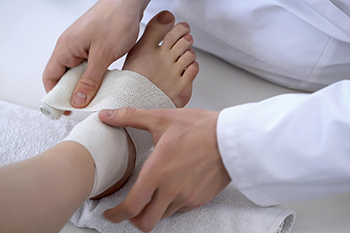
People frequently confuse the terms sprains and strains. In short, a sprain is the tearing or rupture of a ligament that holds a joint together. A strain is the tearing or overstretching of a muscle or tendon. Strains are usually the result of putting too much stress on a tight or weak muscle. This can happen if you engage in a burst of energy without properly warming up. A sprain, however, is caused by the sudden, often forceful, twisting of a joint that causes a ligament to stretch. The severity of a sprain depends on how far the ligament is stretched. In both cases, attention must be paid to complete recovery from the injury to avoid developing a chronic condition. Several symptoms are common to both strains and sprains. Included are pain, tenderness, and limitation of movement. Swelling and inflammation are also common. Finally, the injury might cause internal bleeding, which results in a bruise. If you have incurred an injury to the foot or ankle that exhibits any of these symptoms, please see a podiatrist as soon as possible for an examination and a diagnosis.
Foot and ankle trauma is common among athletes and the elderly. If you have concerns that you may have experienced trauma to the foot and ankle, consult with One of our podiatrists from Dr. Powers Foot and Ankle. Our doctors will assess your condition and provide you with quality foot and ankle treatment.
Foot and ankle trauma cover a range of injuries all over the foot; common injuries include:
Symptoms
Symptoms of foot and ankle injuries vary depending on the injury, but more common ones include:
Diagnosis
To properly diagnose the exact type of injury, podiatrists will conduct a number of different tests. Some of these include sensation and visual tests, X-rays, and MRIs. Medical and family histories will also be taken into account.
Treatment
Once the injury has been diagnosed, the podiatrist can than offer the best treatment options for you. In less severe cases, rest and keeping pressure off the foot may be all that’s necessary. Orthotics, such as a specially made shoes, or immobilization devices, like splints or casts, may be deemed necessary. Finally, if the injury is severe enough, surgery may be necessary.
If you have any questions, please feel free to contact one of our offices located in Bloomington and Washington, IN . We offer the newest diagnostic and treatment technologies for all your foot care needs.
Read more about Foot and Ankle Fractures
When the foot or ankle experiences trauma, a fracture may occur. Causes of foot and ankle fractures can vary; in some cases, an obvious impact to the foot or a fall can be behind a fracture. Alternatively, fractures can also occur because of increased stress on the bone over time. The location of the fracture can often give your podiatrist information on how the fracture occurred.
Pain, especially when bearing weight, is a telltale sign of a fracture. Limping due to this pain is a further sign of a foot or ankle fracture. Other symptoms include inflammation, bruising, deformity, and tenderness. A deformity may occur due to a shift in bone alignment or a joint dislocation near the fracture. While pain is a significant symptom of breakage, a patient who has nerve damage or who has diabetes may not feel this pain. In this instance, your podiatrist will look for additional signs to determine whether a fracture has occurred.
If you are experiencing severe pain, cannot walk without limping, have an open wound near the suspected break, or have numbness or tingling in the toes, you should see your podiatrist.


