
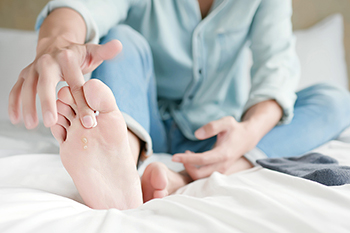
Athlete’s Foot is one common and potentially uncomfortable issue that can negatively impact the health of your feet. This condition is essentially a fungal infection that is highly contagious. It is most frequently spread to an individual when they fail to wear shoes in highly-trafficked public areas, such as locker rooms and pool sides. Moisture tends to help this fungal infection thrive and spread quickly. The condition can cause redness, itching, and discomfort. There are several different ways that a podiatrist can go about diagnosing a case of athlete’s foot. In some cases, a podiatrist may be able to perform the diagnosis by simply observing the symptoms, such as cracking and discoloration. However, in other cases, a podiatrist may need to perform a skin test to properly diagnose the condition. This is known as a skin lesion potassium hydroxide exam. During such an exam, the podiatrist can take a piece of the infected skin and place it in a chemical called potassium hydroxide. This process ultimately isolates the fungus from the other normal skin cells, allowing the doctor to observe the fungus. If you think that you might have developed a case of athlete’s foot, it may be best to reach out to a podiatrist who can use one of these aforementioned methods of diagnosis.
Athlete’s foot is an inconvenient condition that can be easily reduced with the proper treatment. If you have any concerns about your feet and ankles, contact One of our podiatrists from Dr. Powers Foot and Ankle. Our doctors will treat your foot and ankle needs.
Athlete’s Foot: The Sole Story
Athlete’s foot, also known as tinea pedis, can be an extremely contagious foot infection. It is commonly contracted in public changing areas and bathrooms, dormitory style living quarters, around locker rooms and public swimming pools, or anywhere your feet often come into contact with other people.
Solutions to Combat Athlete’s Foot
Athlete’s foot can cause many irritating symptoms such as dry and flaking skin, itching, and redness. Some more severe symptoms can include bleeding and cracked skin, intense itching and burning, and even pain when walking. In the worst cases, Athlete’s foot can cause blistering as well. Speak to your podiatrist for a better understanding of the different causes of Athlete’s foot, as well as help in determining which treatment options are best for you.
If you have any questions please feel free to contact one of our offices located in Bloomington and Washington, IN . We offer the newest diagnostic and treatment technologies for all your foot and ankle needs.
Read more about Athlete’s Foot
Athlete’s foot is an extremely contagious infection caused by a fungus that results in itching, burning, dry, and flaking feet. The fungus that causes athlete’s foot is known as tinea pedis and thrives in moist, dark areas such as shower floors, gyms, socks and shoes, commons areas, public changing areas, bathrooms, dormitory style houses, locker rooms, and public swimming pools. Athlete’s foot is difficult to treat as well because of the highly contagious and recurrent nature of the fungus.
Tinea is the same fungus that causes ringworm, and is spread by direct contact with an infected body part, contaminated clothing, or by touching other objects and body parts that have been exposed to the fungus. Because the feet are an ideal place for tinea to grow and spread, this is the most commonly affected area. It is, however, known to grow in other places. The term athlete’s foot describes tinea that grows strictly on the feet.
The most commonly infected body parts are the hands, groin, and scalp, as well as the feet. Around 70% of the population suffer from tinea infections at some point in their lives, however not all of these cases are athlete’s foot. Just like any other ailment, some people are more likely to get it than others, such as people with a history of tinea infections or other skin infections, both recurring and non-recurring ones. The extent to which a person experiences regrowth and recurrent tinea infections varies from person to person.
Sometimes people will not even know that they are infected with tinea or that they have athlete’s foot because of a lack of symptoms. However, most experience mild to moderate flaking, itching, redness, and burning. However, some of the more severe symptoms include cracking and bleeding skin, intense itching and burning, pain while walking or standing, and even blistering.
Because of the recurring nature of the tinea fungus and the athlete’s foot it causes, the best way to treat this condition is with prevention. You can take some preventative measures such as wearing flip flops or sandals in locker rooms and public showers to reduce contact with the floor. It also helps to keep clean, dry feet while allowing them to breathe. Using powders to keep your feet dry is a good idea, as well as keeping your feet exposed to light and cool air, to prevent the growth of tinea. If you do happen to get athlete’s foot, opt for using topical medicated creams, ointments or sprays. These treatments help eliminate and prevent it from coming back.

Foot pain in cycling is rarely discussed but it is more common than might be imagined. A main cause of foot pain is ill-fitting footwear. Shoes that are too tight or do not have enough room in the toe box will cause pain. Socks that are too thick and take up too much space in the shoe, as well as bulkier orthotics built for walking or standing, can cramp toes, restricting blood flow and nerve conduction in the feet. Another common cause of foot pain in cycling is when cleats are too far forward. They can put more pressure on the forefoot, causing the foot muscles to do more work to stabilize the foot. This forward position can also allow the toes to lean down, which can cause the foot to slide down in the shoe and jam up against the front of the shoe. With the toes pointing down, the quadriceps will also be activated more than the glutes and hip extensors. This can upset the balance of these muscle groups and the weight distribution between the hips and feet. Moving the cleat further back can allow these muscles to relax. If you are a cyclist experiencing foot pain, try different shoes and move the cleat back to relieve discomfort. If these simple fixes do not work, consult with a podiatrist who is in the best position to diagnose any foot problems and treat them.
Sports related foot and ankle injuries require proper treatment before players can go back to their regular routines. For more information, contact One of our podiatrists of Dr. Powers Foot and Ankle. Our doctors can provide the care you need to keep you pain-free and on your feet.
Sports Related Foot and Ankle Injuries
Foot and ankle injuries are a common occurrence when it comes to athletes of any sport. While many athletes dismiss the initial aches and pains, the truth is that ignoring potential foot and ankle injuries can lead to serious problems. As athletes continue to place pressure and strain the area further, a mild injury can turn into something as serious as a rupture and may lead to a permanent disability. There are many factors that contribute to sports related foot and ankle injuries, which include failure to warm up properly, not providing support or wearing bad footwear. Common injuries and conditions athletes face, including:
Sports related injuries are commonly treated using the RICE method. This includes rest, applying ice to the injured area, compression and elevating the ankle. More serious sprains and injuries may require surgery, which could include arthroscopic and reconstructive surgery. Rehabilitation and therapy may also be required in order to get any recovering athlete to become fully functional again. Any unusual aches and pains an athlete sustains must be evaluated by a licensed, reputable medical professional.
If you have any questions please contact one of our offices located in Bloomington and Washington, IN . We offer the newest diagnostic and treatment technologies for all your foot and ankle needs.
Read more about Sports Related Foot and Ankle Injuries
Foot and ankle injuries are common among athletes and those who exercise frequently. Most of these injuries are non-life-threatening and can heal in weeks with proper treatment and care. Serious injuries, however, require urgent medical treatment.
Common minor injuries include ankle sprains, ankle strains, Achilles tendonitis, plantar fasciitis, stress fractures, and turf toe. An ankle sprain is when the ligaments in the ankle have either become stretched or torn. When the muscle or tendon is stretched or torn, it is an ankle strain. When the big toe is sprained, it is known as turf toe. Achilles tendonitis is the overuse and inflammation of the Achilles tendon. Plantar fasciitis is the inflammation of the plantar fascia and generally occurs from overuse in athletics. Stress fractures are also caused from overuse and are small cracks in the bone.
Achilles tendon ruptures are common, but more serious. This injury occurs when the Achilles tendon, the largest tendon in the body, ruptures. In most cases, this causes severe pain and difficulty walking; some who have experienced this injury have reported, however, no signs or symptoms. A laceration is a deep cut that can occur anywhere on the body. Lacerations on the foot are rarer, but can occur from things like metal cleats landing on the foot.
Treatment options cover a wide range of methods based upon the injury and its severity. Conditions like plantar fasciitis, stress fractures, Achilles tendonitis, turf toe and ankle sprains/ strains can heal on their own without immediate medical care, but seeing a podiatrist to monitor the injury is always recommended. Following the RICE (Rest, Icing, Compression, and Elevation) protocol is generally enough to treat minor injuries. This means resting the foot by either keeping pressure off the foot or not walking at all. Icing the injury will help reduce swelling and pain. Compressing the wound with a wrap will immobilize and help promote healing. Finally, keeping the wound elevated will also reduce swelling and also help the healing process.
It is important to note that even minor injuries can vary in severity, with grade one being a minor injury and grade three requiring urgent care by a podiatrist. Achilles tendon ruptures and lacerations on the foot generally require urgent medical care and treatment options that need a podiatrist. These could include imaging tests, stitches for cuts, rehabilitation, and casts or braces. Every case is different, however, so it is always recommended to see a podiatrist when pain in the foot does not disappear.

Plantar warts are small growths that develop on parts of the feet that bear weight. They’re typically found on the bottom of the foot. Don’t live with plantar warts, and call us today!
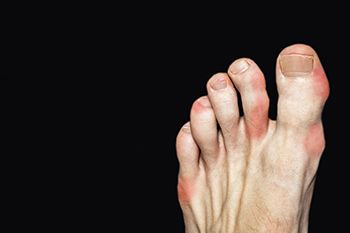
People who have pain in the joint of the big toe may have a condition known as gout. It is defined as an inflammation of the joints in the big toe and is considered to be a form of arthritis. It can produce debilitating pain and discomfort, and many patients find it difficult to walk. It can develop if there is a family history of gout or from eating foods that have high levels of purines. These types of foods include red meat, shellfish, and drinks that are made with large amounts of sugar. A gout attack can last a few days or several weeks and may improve gradually. The majority of people may have difficulty completing daily activities when gout is present and medical treatment may be needed. Effective prevention techniques can include reducing the amount of alcohol, red meat, and fatty foods in daily food intake. Additionally, it can help to drink plenty of fresh water frequently and begin a gentle exercise regime. If you are afflicted by gout, it is strongly advised that you are under the care of a podiatrist who can prescribe the appropriate medication for this condition.
Gout is a painful condition that can be treated. If you are seeking treatment, contact One of our podiatrists from Dr. Powers Foot and Ankle. Our doctors will treat your foot and ankle needs.
What Is Gout?
Gout is a form of arthritis that is characterized by sudden, severe attacks of pain, redness, and tenderness in the joints. The condition usually affects the joint at the base of the big toe. A gout attack can occur at any random time, such as the middle of the night while you are asleep.
Symptoms
Risk Factors
Prior to visiting your podiatrist to receive treatment for gout, there are a few things you should do beforehand. If you have gout you should write down your symptoms–including when they started and how often you experience them, important medical information you may have, and any questions you may have. Writing down these three things will help your podiatrist in assessing your specific situation so that he or she may provide the best route of treatment for you.
If you have any questions, please feel free to contact one of our offices located in Bloomington and Washington, IN . We offer the newest diagnostic and treatment technologies for all your foot care needs.
Gout is a form of arthritis that is caused by a buildup of uric acid crystals in the joints. This considered to be one of the most frequently recorded medical illnesses throughout history. Gout occurrences in the US have risen within the past twenty years and the condition now affects 8.3 million people which is 4% of all Americans. Researchers have found that gout affects men more than women and African-American men more than white men.
Symptoms of gout are warmth, swelling, discoloration, and tenderness in the affected joint area. The small joint on the big toe is the most common place for a gout attack to occur.
People who are obese, gain weight excessively, drink alcohol heavily, have high blood pressure, or have abnormal kidney function are more likely to develop gout. Furthermore, certain drugs and diseases are likely to increase levels of uric acid in the joints which eventually leads to gout. You are also more likely to develop gout if you eat a lot of meat and fish.
Many who experience gout attacks will experience repeated attacks over the years. Some people who have gout symptoms, may never have them again, but others may experience them several times a year. If you have gout symptoms throughout the year, you may have recurrent gout. Those who have gout should also be careful about their urate crystals collecting in their urinary tract, because this may lead to kidney stones.
Diagnosis for gout is done by checking the level of uric acid in the joints and blood. Your podiatrist may also prescribe medicine to reduce uric acid buildup in the blood, which will help prevent any gout attacks.
To treat gout, your podiatrist may also prescribe you Anti-inflammatory medication (NSAIDs) which will relieve the pain and swelling of a gout episode and it can also shorten a gout attack. Maintaining a healthy diet is also a proven method to prevent gout attacks.
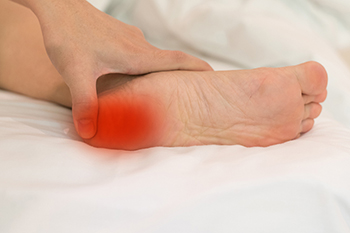
If you walk or run a lot, you may end up with a bruised heel, an injury that is different from plantar fasciitis. Symptoms of a bruised heel include pain in the bottom of the heel, or the calcaneus, as well as redness or purple bruising on the outside of the heel. A bruised heel can also be caused by sudden trauma to the heel, such as a hard landing from a high jump onto a hard surface. The resulting pain is from an injured fat pad and can take up to three weeks to heal, but if the bone is also injured it may take longer. Additional causes of a bruised heel include wearing flip-flops, landing on your heels when you run, running or walking on hard surfaces, and stepping on a hard stone. Factors that increase risk of heel bruising are obesity, inadequate cushioning in running shoes, overtraining, and running in bare feet. The first thing to do when you have sustained a bruised heel is to cease activity. Consider seeing a podiatrist for information about inserts for your shoes that can provide better cushioning of the heels.
Many people suffer from bouts of heel pain. For more information, contact One of our podiatrists of Dr. Powers Foot and Ankle. Our doctors can provide the care you need to keep you pain-free and on your feet.
Causes of Heel Pain
Heel pain is often associated with plantar fasciitis. The plantar fascia is a band of tissues that extends along the bottom of the foot. A rip or tear in this ligament can cause inflammation of the tissue.
Achilles tendonitis is another cause of heel pain. Inflammation of the Achilles tendon will cause pain from fractures and muscle tearing. Lack of flexibility is also another symptom.
Heel spurs are another cause of pain. When the tissues of the plantar fascia undergo a great deal of stress, it can lead to ligament separation from the heel bone, causing heel spurs.
Why Might Heel Pain Occur?
Treatments
Heel pain should be treated as soon as possible for immediate results. Keeping your feet in a stress-free environment will help. If you suffer from Achilles tendonitis or plantar fasciitis, applying ice will reduce the swelling. Stretching before an exercise like running will help the muscles. Using all these tips will help make heel pain a condition of the past.
If you have any questions, please feel free to contact one of our offices located in Bloomington and Washington, IN . We offer the newest diagnostic and treatment technologies for all your foot care needs.
Heel pain can be difficult to deal with, especially if you do not know what the underlying cause is. If you ignore your heel pain, the pain can magnify and potentially develop into a chronic condition. Depending on the location of your heel pain, you have developed a specific condition.
One condition is plantar fasciitis. Plantar fasciitis is caused by the inflammation of the plantar fascia, or the band of tissue that connects the heel bone to the base of the toes. The pain from this condition is initially mild but can intensify as more steps are taken when you wake up in the morning. To treat this condition, medication will likely be necessary. Plantar fasciitis is often associated with heel spurs; both require rest and special stretching exercises.
There are various options your podiatrist may suggest for heel pain. Treatment options for heel pain typically include non-steroidal anti-inflammatory drugs (NSAIDS), which may reduce swelling and pain. Other options are physical therapy, athletic taping, and orthotics. In severe cases of heel pain, surgery may be required.
Preventing heel pain is possible. If you are looking to prevent heel pain from developing in the future, be sure to wear shoes that fit you properly and do not have worn down heels or soles. Be sure to warm up properly before participating in strenuous activities or sports that place a lot of a stress on the heels. If you are experiencing any form of heel pain, speak with your podiatrist to determine the underlying cause and receive the treatment you need.
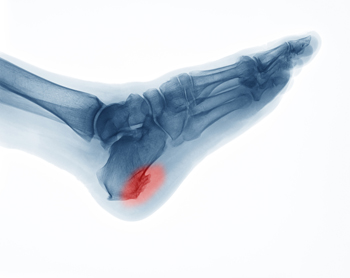
You may not know that a heel spur is developing until it is causing considerable pain. Known medically as a calcaneal spur, this calcium growth forms around the tendons and ligaments of the foot where they connect with the calcaneus, or heel bone. When you put weight on your heel, especially after a rest, the pain can be excruciating. It has been described as having a “toothache in the foot.” Ironically, the more you walk, the less painful it may become as the nerves and capillaries adjust to the motion. Calcaneal spurs are more common in adults over 40. They are also common among people with osteoarthritis, rheumatoid arthritis, or poor blood circulation. A podiatrist can offer a wide variety of treatments that may include ultrasound therapy, custom orthotics, and in severe cases, surgery. If you believe you have developed a heel spur, it is a good idea to make an appointment with your podiatrist.
Heel spurs can be incredibly painful and sometimes may make you unable to participate in physical activities. To get medical care for your heel spurs, contact One of our podiatrists from Dr. Powers Foot and Ankle. Our doctors will do everything possible to treat your condition.
Heels Spurs
Heel spurs are formed by calcium deposits on the back of the foot where the heel is. This can also be caused by small fragments of bone breaking off one section of the foot, attaching onto the back of the foot. Heel spurs can also be bone growth on the back of the foot and may grow in the direction of the arch of the foot.
Older individuals usually suffer from heel spurs and pain sometimes intensifies with age. One of the main condition’s spurs are related to is plantar fasciitis.
Pain
The pain associated with spurs is often because of weight placed on the feet. When someone is walking, their entire weight is concentrated on the feet. Bone spurs then have the tendency to affect other bones and tissues around the foot. As the pain continues, the feet will become tender and sensitive over time.
Treatments
There are many ways to treat heel spurs. If one is suffering from heel spurs in conjunction with pain, there are several methods for healing. Medication, surgery, and herbal care are some options.
If you have any questions, please feel free to contact one of our offices located in Bloomington and Washington, IN . We offer the newest diagnostic and treatment technologies for all your foot care needs.


