
 The medical condition that is referred to as tarsal tunnel syndrome typically affects the ligaments that stretch across the foot. These are known to provide flexibility and stability to the foot, and may become irritated and inflamed if they are compressed. This may occur as a result from an injury or trauma the foot endures, possibly due to performing repetitive motions. There are several symptoms that are associated with this condition. Many patients will notice a burning or tingling sensation in their foot and may also be accompanied by a shooting pain in the ankle. If you have injured your foot or have pain in the ankle that develops gradually, it’s suggested to speak with a podiatrist so a proper diagnosis can be performed, and the correct treatment can begin.
Tarsal tunnel syndrome can be very uncomfortable to live with. If you are experiencing tarsal tunnel syndrome, contact One of our podiatrists of Dr. Powers Foot and Ankle. Our doctors can provide the care you need to keep you pain-free and on your feet.
Tarsal Tunnel Syndrome
Tarsal tunnel syndrome, which can also be called tibial nerve dysfunction, is an uncommon condition of misfiring peripheral nerves in the foot. The tibial nerve is the peripheral nerve in the leg responsible for sensation and movement of the foot and calf muscles. In tarsal tunnel syndrome, the tibial nerve is damaged, causing problems with movement and feeling in the foot of the affected leg.
Common Cause of Tarsal Tunnel Syndrome
The Effects of Tarsal Tunnel Syndrome
A physical exam of the leg can help identify the presence of tarsal tunnel syndrome. Medical tests, such as a nerve biopsy, are also used to diagnose the condition. Patients may receive physical therapy and prescriptive medication. In extreme cases, some may require surgery.
If you have any questions please contact one of our offices located in Bloomington and Washington, IN . We offer the newest diagnostic and treatment technologies for all your foot and ankle needs.
Read more about Treating Tarsal Tunnel Syndrome
Tarsal tunnel syndrome is a condition in which the tibial nerve, located in the tarsal tunnel in the foot, is compressed. The tibial nerve can become compressed from injury, such as an ankle sprain, flat feet, and lesions. Arthritis, diabetes, and varicose veins can also cause swelling and thus result in nerve compression.
Symptoms of tarsal tunnel syndrome include several different sensations in the sole of the foot, inside the ankle, and around the tibial nerve. These sensations include shooting pains, numbness or reduced sensation, pins and needles, burning, and tingling. Symptoms tend to worsen with greater activity to the area. In rare and severe occasions, this can change the muscles in the foot.
If you suspect you have tarsal tunnel syndrome, you should consult with your podiatrist. He or she will examine your medical history to see if you have a history of diabetes, arthritis, or flat feet. They will also check to see if you have suffered an injury to the area recently. An electrical test will be conducted to check if the nerve has been damaged. A simpler Tinel’s Test might also be used. This includes simply tapping the nerve to create a sensation. An MRI scan of the area may also be used.
Treatments vary greatly for tarsal tunnel syndrome. Treatments include both nonsurgical and surgical options depending upon the severity of the condition. Nonsurgical options include anti-inflammatory medication and steroid injections to the area. Orthotics, such as a splint or brace that immobilizes the foot, is another noninvasive option. For those with flat feet, custom shoes can be made to offer better foot support. Surgical options include a tunnel tarsal release, in which an incision is made behind the ankle down to the arch of the foot. This releases the ligament and relieves pressure off the nerve. Some doctors use a more minimally invasive surgery, where smaller incisions are made in the ankle and the ligament is stretched out.
If you are suffering from painful sensations in your foot, see a podiatrist who can determine if you are experiencing tarsal tunnel syndrome. Tarsal tunnel syndrome that is left unchecked can cause permanent nerve damage to the foot.
 There are many women who enjoy wearing high heels despite knowing foot pain may develop from wearing these specific type of shoes. Research has shown that when the heel is high, the arch in the foot may become inflamed and this may typically cause pain and discomfort. If high heels are worn on a frequent basis, the toes may undergo stress, and this may possibly cause corns and calluses to develop. The likelihood of incurring a fall may increase as a result of the line of gravity being altered by the height of the heel. There are several ways to enjoy wearing high heels while keeping your feet as comfortable as possible. These may include slipping off your shoes at an appropriate time and performing gentle stretching exercises, including pointing, flexing and rolling your ankles. Additionally, circulation in the feet may be increased by wiggling the toes. Your feet may benefit by wearing shoes that are more comfortable the following day, which may allow the foot muscles to rest. Please speak to a podiatrist if you would like additional information concerning the dangers of wearing high heels.
High heels have a history of causing foot and ankle problems. If you have any concerns about your feet or ankles, contact One of our podiatrists from Dr. Powers Foot and Ankle. Our doctors can provide the care you need to keep you pain-free and on your feet.
Effects of High Heels on the Feet
High heels are popular shoes among women because of their many styles and societal appeal. Despite this, high heels can still cause many health problems if worn too frequently.
Which Parts of My Body Will Be Affected by High Heels?
What Kinds of Foot Problems Can Develop from Wearing High Heels?
How Can I Still Wear High Heels and Maintain Foot Health?
If you want to wear high heeled shoes, make sure that you are not wearing them every day, as this will help prevent long term physical problems. Try wearing thicker heels as opposed to stilettos to distribute weight more evenly across the feet. Always make sure you are wearing the proper shoes for the right occasion, such as sneakers for exercising. If you walk to work, try carrying your heels with you and changing into them once you arrive at work. Adding inserts to your heels can help cushion your feet and absorb shock. Full foot inserts or metatarsal pads are available.
If you have any questions, please feel free to contact one of our offices located in Bloomington and Washington, IN . We offer the newest diagnostic and treatment technologies for all your foot care needs.
Read more about Effect of High Heels on the Feet
For hundreds of years, women have been wearing various kinds of high heels for aesthetic reasons. Women who wear high heels appear to be taller and have longer and thinner legs, and the wearer’s gait and posture changes. Though high heels have had an association with femininity and have kept them popular over the years, there are definite health problems caused by wearing them too frequently.
The motion of the ankle joints is limited when heels are worn. The ankle joint is very important to the body when it comes to walking. Because of their location, these joints have a great deal of weight put on them. Thus, it is very important to keep them as healthy as possible. The Achilles tendon is the main tendon in the ankle. Wearing high heels too often, studies have shown, can cause the calf muscle and Achilles tendon to shorten and stiffen. This can cause problems when shoes without heels are worn.
By putting a great deal of pressure on the ball of the foot and by forcing the toes into a small toe box, high heels can cause or may worsen many foot problems. These include corns, hammertoe, bunions, Morton’s neuroma and plantar fasciitis.
Not only does wearing high heels regularly have negative effects on the feet, the rest of the body can suffer as well. The knees, one of the most important joints in the entire body, can be affected by wearing high heels. High heels can cause the knees to stay bent all the time. Also, it can cause them to bend slightly inward as well. Doctors believe that women can suffer from osteoarthritis later in life because of constantly walking like in high heels. By limiting the natural motion of the foot during walking, high heels also cause an increased in stress on the knees.
Similarly, high heels can cause the back to go out of alignment. If high heels are worn constantly, the spine’s ability to absorb shock can cause continued back pain. They can compress the vertebrae of the lower back, and can overuse the back muscles.
However, this is not to say that high heels can never be worn. If worn occasionally and not often, they will not cause serious problems. They should not be worn every day. It’s important to wear them modestly to avoid the long-term physical health problems of the feet, knees, ankles, and back mentioned above.
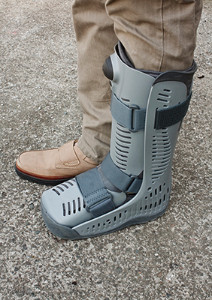 Research has shown the ankle is comprised of three bones that interlock together. If an injury is endured that fractures one or more of these bones, it is often referred to as a broken ankle. There are several ligaments and tendons that are attached to these specific bones and may become displaced if the ankle becomes fractured. This typically may occur if a fall has happened and the ankle twists unnaturally. The noticeable symptoms may often include severe pain in and around the affected ankle, unsightly bruising, or difficulty in moving the toes. There are several ways to treat this condition, including wearing a protective boot, taping or wrapping the ankle, which may provide additional support, or possible surgery, which is often determined by the severity of the fracture. If you have broken your ankle, it’s advised to speak with a podiatrist as quickly as possible so the correct choice of treatment can begin.
Broken ankles need immediate treatment. If you are seeking treatment, contact One of our podiatrists from Dr. Powers Foot and Ankle. Our doctors can provide the care you need to keep you pain-free and on your feet.
Broken Ankles
A broken ankle is experienced when a person fractures their tibia or fibula in the lower leg and ankle area. Both of these bones are attached at the bottom of the leg and combine to form what we know to be our ankle.
When a physician is referring to a break of the ankle, he or she is usually referring to a break in the area where the tibia and fibula are joined to create our ankle joint. Ankles are more prone to fractures because the ankle is an area that suffers a lot of pressure and stress. There are some obvious signs when a person experiences a fractured ankle, and the following symptoms may be present.
Symptoms of a Fractured Ankle
If you suspect an ankle fracture, it is recommended to seek treatment as soon as possible. The sooner you have your podiatrist diagnose the fracture, the quicker you’ll be on the way towards recovery.
If you have any questions, please feel free to contact one of our offices located in Bloomington and Washington, IN . We offer the newest diagnostic and treatment technologies for all your foot care needs.
Read more about All About Broken Ankles
Broken ankles are a serious injury that can lead to an inability to walk, function, and also cause a significant amount of pain. A broken ankle is a break in one of the three bones in your body that connect at the ankle joint: the tibia, the fibula, and the talus. The tibia and fibula are your two primary leg bones that connect at the knee, which sit directly upon the talus bone. This is protected by a fibrous membrane that allows for movement in the ankle joint. A broken ankle is usually caused by the foot rolling under or twisting too far, causing one of these three bones to snap.
A broken ankle is different from an ankle sprain, which occurs when the ankle ligaments are ripped or torn but no bones have been broken. A sprain can still be very severe, causing bruising in the foot and an inability to hold your own weight, much like a broken ankle would. If you’re unable to stand, and suspect that you have a broken ankle, the first thing to do would be to get an immediate X-ray to determine the severity of the break.
A common cause of broken ankles is when the ankle is rolled over with enough pressure to break the bones. This usually happens during exercise, sports, or other physical activity. Another common cause is a fall or jump from a tall height.
One immediate treatment for pain relief is elevating the foot above your head to reduce blood flow to the injured area. You can also apply ice packs to your ankle to help reduce swelling, redness, inflammation, and pain. After these initial steps, getting a cast and staying off your feet as much as possible will aid in the recovery of the broken ankle. The less movement and stress the ankle has to endure, the more complete it will heal. A doctor can determine if surgery is needed in order to heal correctly. In these cases, an operation may be the only option to ensure the ability to walk properly again, followed by physical therapy and rehabilitation.
It is highly important to determine if surgery is needed early on, because a broken ankle can become much more severe than you realize. If not professionally treated, the broken ankle will inhibit your walking, daily functioning, and produce a large amount of pain. Treating your broken ankle early on will help prevent further damage to it.
 A medical condition referred to as onychomycosis is commonly known as toenail fungus.There are treatments available that may aid in the curing of this fungus, and one of them is known as laser treatment. Research has shown fungal infections may possibly be deterred by heating the nail. Many patients have chosen to try this method despite the fact that there is insufficient evidence of its success rate. Additionally, the cost may be more expensive than traditional remedies. If you are afflicted with toenail fungus, please discuss possible treatment options with your podiatrist in addition to learning if laser treatment is right for you.
Laser treatment can be an effective way to get rid of toenail fungus. If you have any questions about laser treatment, consult with One of our podiatrists from Dr. Powers Foot and Ankle. Our doctors will assess your condition and provide you with quality treatment for fungal nails.
What Are Toenail Fungal Infections?
Onychomycosis, or fungal infection of the nail, is a relatively common and non-serious condition. Around 10 percent of U.S. citizens are afflicted with fungal nails. Common forms of fungus that infect the nail include dermatophytes, yeasts, and molds.
Symptoms of Toenail Fungal Infections Include:
Diagnosis for Fungal Nails
Fungal infections are diagnosed by fungal culture and microscopy. This will rule out any other conditions such as nail trauma, psoriasis, lichen planus, and onychogryphosis.
What Is Laser Treatment?
Laser treatment is a non-invasive, safe, quick, and painless procedure that uses the heat from a laser to kill fungus in the nail. Each infected nail is targeted with a laser for several minutes. The treatment is usually utilized several different times over a select period. During this time, a podiatrist will keep an eye on the infection.
If you have any questions, please feel free to contact one of our offices located in Bloomington and Washington, IN . We offer the newest diagnostic and treatment technologies for all your foot care needs.
Read more about Laser Treatment for Fungal Nails
A new treatment for fungal nails, or onychomycosis, which has grown in popularity in recent years, is laser treatment. Laser treatment involves the use of a laser that kills fungus in the toenail with heat. Laser therapy causes no side effects and does not affect nearby healthy tissue.
Toenail fungus afflicts almost 10 percent of the U.S. population and is more common among the elderly. The most common symptom of toenail fungus is the discoloration and thickening of the nail. The nail can also become brittle and a foul smell may be produced. In rare cases, pain might be present. While it is not a serious condition, it can lead to a perception of disgust amongst those it affects. There are several different fungi that cause fungal infections. These include dermatophyte, yeast, and mold. The most common of these is dermatophyte.
Diagnosis for fungal nails involves a podiatrist utilizing microscopy and fungal cultures. This will allow the doctor to determine whether it is a fungus or another condition, such as lichen planus, psoriasis, nail damage, and onychogryphosis.
Fungus in the nails can be hard to get rid of with over-the-counter drugs. This is due to the nail being hard and protective, with fungus able to slip between the nail bed and plate. Furthermore the slow growth of the nail increases the difficulty of fungus going away. Laser treatment seeks to get around this by directly penetrating through the nail and killing the fungus. The laser is used on each infected nail for a couple of minutes. Patients then typically return several weeks or months later for another laser treatment. During this time the podiatrist will routinely observe the foot and infection. It is also recommended to wear clean socks and shoes and allow the feet to dry and breathe to prevent toenail fungus.
Laser treatment is still a relatively new treatment and not all podiatrists have laser machines. Ask your podiatrist if they do laser treatment for toenail fungus and if it is right for you.
A new treatment for fungal nails, or onychomycosis, which has grown in popularity in recent years, is laser treatment. Laser treatment involves the use of a laser that kills fungus in the toenail with heat. Laser therapy causes no side effects and does not affect nearby healthy tissue.
Toenail fungus afflicts almost 10 percent of the U.S. population and is more common among the elderly. The most common symptom of toenail fungus is the discoloration and thickening of the nail. The nail can also become brittle and a foul smell may be produced. In rare cases, pain might be present. While it is not a serious condition, it can lead to a perception of disgust amongst those it affects. There are several different fungi that cause fungal infections. These include dermatophyte, yeast, and mold. The most common of these is dermatophyte.
Diagnosis for fungal nails involves a podiatrist utilizing microscopy and fungal cultures. This will allow the doctor to determine whether it is a fungus or another condition, such as lichen planus, psoriasis, nail damage, and onychogryphosis.
Fungus in the nails can be hard to get rid of with over-the-counter drugs. This is due to the nail being hard and protective, with fungus able to slip between the nail bed and plate. Furthermore the slow growth of the nail increases the difficulty of fungus going away. Laser treatment seeks to get around this by directly penetrating through the nail and killing the fungus. The laser is used on each infected nail for a couple of minutes. Patients then typically return several weeks or months later for another laser treatment. During this time the podiatrist will routinely observe the foot and infection. It is also recommended to wear clean socks and shoes and allow the feet to dry and breathe to prevent toenail fungus.
Laser treatment is still a relatively new treatment and not all podiatrists have laser machines. Ask your podiatrist if they do laser treatment for toenail fungus and if it is right for you.
If you’re relatively healthy, your dietary choices are instrumental in helping you to maintain—and perhaps even improve—your health. If you have diabetes, though, those dietary choices are absolutely essential for reducing your risk of serious medical issues.
Even more than that, smart dietary habits may even be able to reverse dangerous conditions caused by diabetes!

For a couple of different reasons, diabetes is a particularly alarming disease. Before we jump into a look at the reasons it is so concerning for an individual, let’s take a quick look at a broader perspective – specifically, the prominence of the disease in our society.
At present, according to estimates from the U.S. Centers for Disease Control and Prevention (CDC) there are over 29 million people in the United States who have diabetes. This number is disturbing in and of itself, but there’s more to the story!
Alarmingly, out of the 29 million who already have diabetes, the CDC reports that approximately one out of every four people with the disease are undiagnosed and do not actually know he or she has it. On top of that, there is a condition known as prediabetes—which is a situation wherein blood sugar levels are elevated, but not quite to the point of diabetes yet (basically, individuals who are on the cusp of the disease)-and over 86 million people fall into this category.
Clearly, this is a big issue in our society. But how does diabetes actually affect the human body, and why would a podiatrist be so interested in talking about this?
Diabetes is a condition that develops when there is excessive blood sugar. This can happen when not enough insulin is produced (Type 1) or the body is unable to use insulin effectively (Type II). Insulin is a hormone that allows the body to properly utilize sugar (glucose).
The excess glucose in the blood can cause problems for most of the body’s organs and nerves, thereby rendering essential systems ineffective (or at least reducing their normal capabilities).
To the second point—why a podiatrist would talk about this particular disease—there is a strong and dangerous connection between diabetes and foot health. You will see what we mean as we look further into this matter.
The systemic damage diabetes causes within the body contributes to heightened risk for issues like heart attacks, strokes, blindness, and kidney failure. Compared to these serious medical problems, foot health might not seem like a major concern – but it is dangerous to underestimate conditions like diabetic foot ulcers and Charcot foot!
Foot ulcers are essentially wounds that do not heal and continue to break down over time. This is caused by damage to the nervous and immune systems from the elevated sugar levels.
The problems often start with lack of sensation on account of diabetic neuropathy (nerve damage). If you are unable to feel a cut, scrape, ingrown toenail, etc., then you are unlikely to take measures that will aid in resolving the problem. Further, your body might not recognize the damage as well.
Since your immune system is unable to fight off infections, the risk for gangrene is particularly high. This is especially concerning because there is no cure for gangrene (tissue death) and the only way to prevent its spread is through amputation.
Charcot foot is a condition wherein feet become severely misshapen on account of repeated structural damage. More specifically, what happens is bones in the feet that are weakened break easily. Nerve damage leaves you unable to feel this is happening, so you continue normal activities – which contributes to additional damage.
The cycle continues until the foot is severely deformed. This is troubling enough on its own, but it can also raise your risk for foot ulcers.

Those are clearly some major reasons you need to have a diabetic foot care plan in place (and we can help you create one!). There are going to be a couple of pillars in your plan – including taking measures to manage the disease.
These are some obvious reasons to manage your diabetes and have a solid diabetic foot care plan in place. If you don’t already have one, we can help!
Medication and exercise play big roles in managing diabetes, but so too does adhering to a proper diet.
With regards to healthy diet choices, we are talking about:
This is a good starting point for diabetes-smart eating, but even better is consultation with medical professionals. We can make further recommendations, give advice, and even recommend dieticians who specialize in dietary plans for diabetic individuals.
For assistance with creating a diabetic foot care plan or understanding how to recognize problems at their earliest, most treatable stages, contact the office of Kevin J. Powers, DPM today!
Call (812) 333-4422 to connect with our Bloomington, IN office today!


