
During the summertime, your toes are often on display with open-toed sandals and days at the pool. That means it’s more likely you’ll look down and notice changes, like, for example, a bump on your baby toe. Uh-oh! That, friend, could be the beginning of a bunionette, and though smaller in stature than its big brother bunion, it can still be a big pain!
 Bunionettes are basically bunions but instead of forming on the big toe joint, they develop on your little toe joint. The same forces are at work here: an inherited foot structure prone to the problem, and outside pressure (typically from too tight of shoes) encouraging the toe to drift out of alignment, forcing the joint outward and the toe inward. The more pressure placed on the little toe joint, the worse the bunionette gets, and the worse it hurts!
Because bunions and bunionettes are similar conditions, they have similar solutions. You can decrease pain by using padding for a layer of protection between your toe and your shoe. Speaking of shoes – make a switch! Replace narrow, tight footwear with shoes that offer wide, deep toe boxes so toes aren’t squished. Slipping some orthotics inside can help redirect pressure away from your little toe joint, too. There are also stretches you can do and splints you can wear at night to help keep your toe in proper position. Again, like bunions, if these tactics fail to relieve your pain and slow progression, surgical procedures may be considered.
If you notice a bump on your baby toe, don’t let it go – if you do, it will only get worse! Call us so we can assess your condition and determine a treatment plan that works for you.
You can reach our Bloomington, IN office at (812) 333-4422. In the meantime, better sweat the small stuff! Make sure those sandals of yours aren’t adding to the problem and making your little bunionette a big pain.
If you’re overloaded with work, stressed-out, and feel like you have a lot of pressure on you, a little help can go a long way! That’s not only true with people, but also with diabetic wounds. A big part of avoiding complications from a wound and allowing it to heal properly is taking pressure off it, and one great way to do that is by getting a little help from orthotics.

Your feet endure as much as 120% of your body weight with every step – that’s a lot of stress! If you have a wound, imagine the amount of pressure you place upon it every time you stand much less move. Custom orthotics are designed to fit exactly what your unique feet need, and when it comes to diabetic wounds, you need redistribution of weight so that pressure is redirected away from the problem area. Orthotics can do that!
In addition, these devices can provide added cushion and support to protect your feet from further harm. In fact, slip them inside a pair of diabetic shoes, and orthotics will not only help your wound heal, but they’ll help you feel less stressed about the situation, too, knowing your feet are safe.
Of course, it’s important to be diligent about your daily foot checks so you can catch wounds as soon as possible. A wound gone too long without care may need weight completely offloaded (not to mention serious intervention), but an injury caught early enough can often be addressed by simply good hygiene, antibiotic medication, a sterile bandage, and – you guessed it — orthotics!
So, if you have diabetes, call us to find out if orthotics could benefit you – not only in helping wounds heal, but also preventing them from developing in the first place! Contact our Bloomington, IN office today by dialing (812) 333-4422 to take the pressure off! Hey, you have enough to worry about when you have diabetes. With orthotics, there’s one less concern!
 You might get pinched to grow an inch, or to ensure that you’re not dreaming, but when a nerve gets pinched, the only thing that grows is the pain and tingling feelings, which can definitely become a nightmare!
A pinched or compressed nerve in your foot can result in pain, a feeling of pins and needles, as well as burning sensations and numbness, all of which interfere with your quality of life. Activities you once enjoyed can become unbearable, and even day-to-day tasks can be difficult. Determining what’s behind pinched nerves provides valuable insight as to how you can prevent them from happening to you.
The most common culprits of a compressed nerve in the foot include:
With all that in mind, here are ways you can prevent a pinched nerve from occurring:
Healthy habits. Eating a nutritious diet and exercising regularly helps with circulation as well as maintaining a healthy weight, reducing pressure on nerves. Alcohol inhibits the flow of nutrients to your nerves, so limiting your intake can also contribute to keeping nerves healthy. Finally, staying strong and flexible as a result of exercise and stretches encourages not only overall health, but healthy nerves as well!
Taking breaks. Activities that include repetitive actions are especially hard on nerves and can cause injuries and inflammation that put the squeeze on them! Be sure to take breaks during your sports and hobbies, and intersperse other activities throughout your routine. If you sustain an injury, seek treatment so it heals correctly.
Managing underlying conditions. It’s important to treat and manage conditions like diabetes and arthritis that can have ill-effects on nerve health. Staying on top of such conditions will go a long way toward keeping nerves safe from compression or damage.
Avoiding cramped positions and shoes. Make sure you don’t sit or rest for long periods of time with legs crossed which can cut off circulation and aid in nerve problems. Also, wear shoes that fit properly and do not squeeze toes or place too much pressure on the balls of your feet, and in turn the nerves found there.
If you follow these prevention tips, you will hopefully sidestep nerve problems, although there are other factors that can’t be controlled — like age, gender, and heredity – which may increase your risk. That’s why it’s important to come see us at the first signs of pain and tingling, and other symptoms. We will determine what’s behind your pinched nerve and get you started on an appropriate treatment plan. Call (812) 333-4422 to schedule a visit at our Bloomington, IN office today.
Okay, so it’s not a typical topic you might discuss around the water cooler, but tarsal tunnel syndrome is certainly worth talking about, especially if you are experiencing tingling, burning, numbness, and pain in your feet. While these symptoms are often associated with the nerve damage of neuropathy, there may be something else behind the strange sensations.

There is a nerve that travels down the inside of your ankle and into your foot. It’s called the posterior tibial nerve and it’s protected by – you guessed it — the tarsal tunnel. Usually, the tunnel allows the nerve plenty of room to do its thing (helping your foot have normal feeling), however, with tarsal tunnel syndrome, something occurs to narrow the tunnel and squeeze or pinch the nerve resulting in the symptoms above. What exactly the something is that’s causing the narrowing of the tunnel varies. It could be the result of having flat feet which over pronate and puts pressure on that side of your foot. It may be swelling from the inside due to an injury like a sprain, or a condition like diabetes or arthritis. Still another cause could be an internal growth such as a cyst. The only way to truly know is to come in for a foot exam so we can determine the guilty culprit behind your pinched nerve, and thus the appropriate course of treatment.
In most cases, conservative measures are all it takes to ease the discomfort of a compressed nerve in your ankle. These may include anti-inflammatory medications to reduce swelling, or physical therapy exercises. In addition, orthotics are often used to correct flat feet and remove pressure from the area. If these methods do not provide relief, surgery to release the tarsal tunnel may need to be considered. Surgery may also be necessary if a growth is to blame for your troubles.
That’s a lot of information you can share around the water cooler, but first, if you are experiencing tingling, burning, and numbness in your feet, call to schedule an appointment with us by dialing (812) 333-4422 to reach our Bloomington, IN office. We’ll get you and your feet back to feeling normal again in no time!
If you have diabetes, you know that you need to keep your blood sugar in check. You know you need to eat right and maintain a healthy weight. Hopefully, you also know to look over your feet every day. However, if you are experiencing numbness in your feet (common with diabetes), you may not know if you sustain an injury, and in this case especially, what you don’t know could hurt you!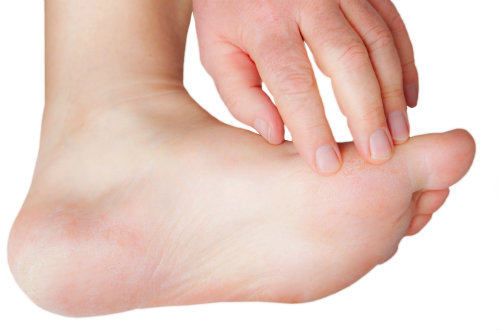
If you can’t feel your feet, that means you can’t feel excessive heat, shoes rubbing, sharp objects being stepped on, or even a tiny scratch. Being unaware of an injury puts you at serious risk as the problem will likely go unnoticed, thus untreated. Even injuries that start out small can quickly snowball into big trouble with major consequences including amputation. Here’s why:
Diabetes is not only associated with nerve damage causing tingling, pain, burning and numbness in your feet, but the condition can negatively affect your circulation as well. Already, blood takes a long time to travel all the way to your feet, but with diabetes, blood flow is slowed even more which means the nutrients needed to heal foot injuries have a hard time reaching their destination. The longer it takes for a wound to heal, the stronger the chances are of a dangerous infection. All the more reason to address nerve damage as soon as possible and keep a close eye on those feet of yours!
Fortunately, there are ways to manage symptoms of numbness in your feet, as well as the tingling and burning sensations often experienced with it. Controlling your blood sugar, exercising, and making healthy lifestyle choices, like not smoking and limiting alcohol, are all ways you can encourage nerve health. When nerves are healthy, they’re able to send messages to your brain, which allows you to feel your feet again and know if something happens to them.
Call us to find out more or if you need help with a foot injury you didn’t realize you had. You can reach our Bloomington, IN office by dialing (812) 333-4422.
Get in the know about numbness in your feet, so it doesn’t get in the way of activities you enjoy — or worse, get you into a dangerous situation!
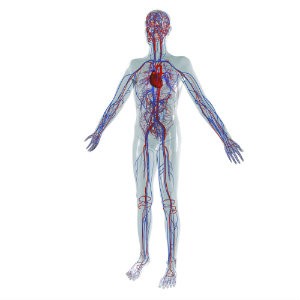 Neuropathy symptoms like burning, tingling, and lack of sensation stem from nerve damage to your feet. Your blood is what delivers the nutrients nerves need to be healthy, so it makes sense that when you improve blood flow, you improve nerve health and in turn minimize those nagging neuropathy symptoms that have been stopping you from doing the things you love. In other words, if you get that blood flowing, you can get back to your normal life! So, here are some great ways to boost circulation:
Exercise – this is not only beneficial in maintaining a healthy weight which keeps pressure off your feet, but it gets your heart pumping and blood flowing, too.
Massage – who doesn’t love a good foot massage? It’s relaxing and stimulates blood flow, so sit back and enjoy!
Heat Therapy – taking a warm bath or relaxing with a warm heating pad can boost circulation, not to mention reduce stress.
Managing stress – speaking of reducing stress, that helps too! Try meditating, doing yoga, breathing deeply, repeating a mantra or slowly counting to ten, and avoiding triggers that tend to stress you out.
Getting plenty of sleep – your body heals and makes repairs while you sleep, so give it the time it needs to get the work done!
Eating right – a diet rich in Vitamins C, E, and B3 will encourage an increase in blood flow, so be sure to get your fill of leafy greens, as well as food choices with built-in antioxidants like dark chocolate. Lean proteins are good options, too, as are items containing cayenne or garlic, and those with healthy fats, like avocados, nuts, and fish. Also, stay away from highly salted stuff!
Drinking right – limit caffeine and alcohol and instead drink plenty of water and green tea, which dilates blood vessels, thus helps get that blood moving.
Not smoking – smoking builds up plaque in your arteries which slows circulation – the opposite of what you want!
Follow these tips to improve blood flow and decrease neuropathy symptoms, and you’ll be back to your favorite activities before you know it! If you have any questions or need us for any reason, don’t hesitate to call our Bloomington, IN office at (812) 333-4422.
There are many potential sources of foot pain—and every patient’s case is unique to a certain degree—so the best way to find relief when your foot hurts is to come see us at our Bloomington, IN podiatrist office. Of course, there are also measures you can perform on your own in the comfort of your home to address painful symptoms. Depending on your case, we may even recommend a combination of treatment at our office and home care.
 It would take a while if we were to individually cover all the conditions that can cause foot and ankle pain—besides, you can find a list with links to pages for foot and ankle conditions on the sidebar on this page—so let’s start with a look at what we mean by “chronic foot pain.”
Pain is either going to be chronic or temporary in nature when you have a foot problem. The key distinction between these is simply, and perhaps unsurprisingly, a matter of time. If you have a foot that is only sore for about a week or two before feeling better, the pain is not chronic. Instead, we consider this to be temporary. Chronic pain typically will last for weeks, months, or even years without subsiding.
This is not a comprehensive list—as noted, there are many different foot and ankle issues that need to be treated—but some of the more common ways for you to manage chronic pain include:
For additional information, contact our Bloomington, IN office by calling (812) 333-4422 or take advantage of our online form to connect with us now. Our staff will be glad to answer any questions and help set you up with an appointment that works best for you.
Even if you never set foot on a soccer field, tennis court, or baseball diamond, the odds are pretty good you will suffer a sprained ankle at least once in your life. Sure, these injuries happen rather easily when making a sudden move in an intense game, but sometimes all it takes is misjudging a curb or stair, or stepping in an indentation in the lawn.
 When patients come see us for sports injury treatment—including treatment for chronic pain after an ankle sprain—there are usually several things they will want to know, including “how long until it’s better?” The answer obviously depends on several factors, specially the nature of the injury and its severity.
Ankle sprains are so commonplace that they might not seem like a big deal, but the fact of the matter is that returning to activity before complete ankle sprain recovery can potentially lead to increased and/or more severe issues in the future. We can certainly provide the treatment you need for ankle instability, it’s better if you can avoid it from happening in the first place. With this in mind, let’s take a look at the importance of recovering completely from a sprained ankle before you resume physical activities.
Ankle sprains are typically graded on three levels of severity:
Regardless as to how long recovery takes; it is important to emphasize that normal activities should not be resumed until the problem has been resolved. Complete ankle sprain recovery, for example, is essential before resuming a running program or playing tennis again. Going back to exercises and sports too soon can increase the risk for long-term issues.
The specific treatment plan we create for you in the event you develop chronic pain following an ankle sprain will be customized based on your unique situation, including severity of injury and level of physical activity. That said, there are some common components that may work particularly well, including:
Whereas the hope is to treat the condition effectively through the use of conservative methods, this isn’t always possible. Fortunately, there are surgical procedures we might use, particularly ones that reconstruct or repair damaged ligament(s).
To accurately diagnosis the severity of the injury and find out what to expect from your ankle sprain recovery, come see us here at our Bloomington, IN office. We will evaluate your injured ankle and provide a professional assessment, along with an effective treatment plan to get you back to activity in a safe manner! Call us at (812) 333-4422 to schedule your appointment or take advantage of our online form to have any questions answered or request additional information.
When a toe crosses over and starts to overlap your other toes, it can cause problems. If you are able to identify an issue that can lead to this situation early, you might have a chance at preventing it from happening, or at least worsening. Now, we can provide care for overlapping toes here at the office of Kevin J. Powers, DPM, but you would likely avoid the problem from developing in the first place. Understanding why toes overlap may help you do exactly that.
Generally-speaking, toes start to overlap on account of either muscular or tendon imbalance within a joint. More specifically, this includes conditions like:
It is difficult to overstate the importance of wearing comfortable, well-constructed shoes that fit your feet properly. Choosing the right footwear plays a major role in helping protect your feet and provide much-needed support. That said, there is somewhat of a misconception that shoes actually cause issues like bunions or hammertoes. We certainly agree that poorly-fitting footwear can exacerbate and contribute to an existing foot problem, but the condition usually has roots in a different area. Of course, you can remove any doubt from the matter by always choosing shoes that fit well!
No matter if your overlapping toe is being caused by a bunion or hammertoe condition, we will create a treatment plan to help. For some patients, we are able to do this with conservative treatment options. In other cases, we do need to recommend surgery to address the problem. The good news is that we have ample experience in performing successful procedures for many patients.
Contact us today for more information by filling out our online form or calling our Bloomington, IN foot doctor office at (812) 333-4422 to request an appointment.
The ancient Chinese proverb “a journey of a thousand miles begins with a single step” is still cited frequently in our modern world for a simple reason – it’s completely true. There are few, if any, instances wherein something just happens instantaneously, without at least a certain amount of steps building up to that point.
Whereas the wise saying is often used in terms of achieving goals, it also has relevance in the field of medicine. Many health-related issues start as a smaller problem before traversing that “journey of a thousand miles.” Knowing how to recognize the stages of issues like Charcot foot, however, will help you find the care you need at the earliest, most treatable opportunities to stop the condition’s progression.
Keeping that in mind, let’s look at this particular medical condition. We want you to be able to take the appropriate measures—like contacting our med ical team—at the early stages so you can reduce your risk of developing serious problems.
Charcot foot is a medical condition that may cause severe deformity and disability, especially when left untreated. In severe cases, amputation can be a necessary treatment option, but there is hope if you are vigilant!
Peripheral neuropathy is commonly experienced by diabetic individuals, and this contributes to the problem because you may be unable to recognize when damage has been sustained to weakened foot bones. Further, diabetes compromises your body’s ability to heal injured tissue in a normal, timely manner.
What often happens is an affected individual will fracture foot bones, even during normal activities, but be unaware of it. With healthy nerves, the individual would receive treatment and keep weight off of the foot. Since the damage goes unrecognized, daily activities will continue to be performed. In turn, this leads to additional damage – a cycle which continues until the foot is extremely misshapen and deformed.
Since catching Charcot foot early is so important, you should remain aware for any abnormal redness, swelling, and increased warmth of a foot and ankle (especially when compared to the other one). The actual stages of this syndrome are as follows:
Even more important than knowing these stages, of course, is the action you take once you become aware of a problem. If you do notice Charcot foot symptoms—in any stage—contact our Bloomington office as soon as possible for the professional diagnosis and treatment you need. We will do everything possible to save your foot!
Remember, if you are living with diabetes, you should have a diabetic foot care plan in place. Don’t have one? Then contact us today and we will help you create a plan to protect your feet and reduce your risk of severe medical issues. Call us at (812) 333-4422 and our staff will answer any questions and set you up with an appointment that works for you.


