
If you want an excuse to get out for a bit, it’s hard to go wrong with The Chocolate Moose and their Food Truck Fridays. There are always a good number of trucks in attendance, as well as some fun performances and entertainment on the side. Now, touring food trucks might not be as fun if you suffer from heel pain, but some causes of such discomfort can be prevented.
One of the more frequent culprits for pain in your heels—stress on the feet—can be responsible for conditions such as plantar fasciitis and stress fractures. Thankfully, stress is also something that can be easily avoided or mitigated in many cases. You can prevent pain from popping up in your heels by monitoring the forces on your feet.
All About the Shoes – Shoes should always be worn on hard ground and contain stress-absorbing material against the heel. They should also fit properly to ensure the best protection and not be worn out. If wearing a certain shoe causes you heel pain later on in the day, stop wearing it!
Reduce the Weight – Excess body weight places more stress on the heels while moving, courtesy of gravity. Losing unnecessary weight safely—even just a little bit—can have a significant impact.
Play Properly – When engaging in sports and activities that can stress out your heels, it is important to make sure you have the right kind of athletic shoes for the activity and have warmed up correctly before taking off.
Take Time to Rest –It may help to carve out some more time to spend off your feet. This is especially true if you have a job that demands lots of standing.
If you are looking for more ways to prevent heel pain, or need treatment for heels that already hurt, Dr. Kevin Powers in Bloomington, IN, can help. Call our office at (812) 333-4422 to schedule an appointment with our friendly staff.
You can kick up your heels at Player’s Pub just about any night of the week, with a variety of acts spanning jazz to rock. Of course, you might not want to do much of anything with your heels if you find yourself often dealing with sharp or aching discomfort in them. Heel pain is a common malady with a range of causes. Our job is finding the root cause of your heel pain and setting you on a path to healing and recovery.
The main act when it comes to heel pain is plantar fasciitis, inflammation of a thick band of tissue that runs along the underside of the foot. It is the most common cause of heel woes and likely one of the first we’ll be looking for in most cases. You might have plantar fasciitis if you tend to feel a stabbing pain in the bottom of your heel when waking up in the morning, or after standing for a long time.
If the pain feels more achy and stiff, just above the heel, and is accompanied by swelling, it may be bursitis. This is an inflammation of a small, fluid-filled sac that provides cushioning to items around your joints. Pain in this location might also indicate Achilles tendinitis, especially if it grows worse after a long bout of running or climbing the stairs.
Is the pain accompanied by a burning or tingling sensation that radiates outward? That might be a pinched nerve. It’s even more likely if the feelings are worse when you’re trying to sleep.
There are even more possibilities when it comes to your heels, so it’s important to have a professional that can tune in to the correct one. Schedule an appointment with Dr. Kevin Powers at his Bloomington, IN office by calling (812) 333-4422 and let us take the stage with expert attention and care.
When you hear about a break on the field, you always want it to be from a huddle, not in your foot. If you have experienced a metatarsal fracture, however, you’re definitely going to be off your feet for a while. Many athletes can’t wait to get moving again, but it’s best to do so after a careful rehabilitation plan. Although only one bone might have been injured, the whole foot and ankle should be reconditioned to help prevent re-injury!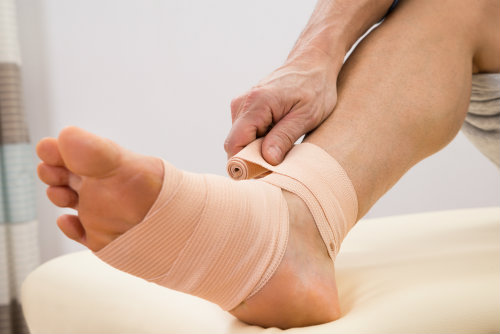
While it is best to arrange a proper plan with experts such as us here at the office of Dr. Kevin Powers, here are some general ideas of what rehabilitation exercises will focus on:
Range of Motion/Mobility – Even if the injury was to your midfoot, it can still cause stiffness ranging through the foot and ankle. Having had to sit out in a cast certainly doesn’t help this, either. Focusing on rebuilding mobility in certain areas will likely be recommended, with exercises including ankle circles, toe points, and calf stretches able to help.
Conditioning – Typically, conditioning exercises can begin a couple months or later after a fracture, but it will depend on your specific case. Balance training can usually come back into play at this time, and even drills specific to your sport or activity.
As you continue to recover and even well after, it’s still very important that the injured area is well supported. Not all injuries are able to return to full strength with even the best treatment, making them more prone to re-injury and deterioration over time. In these situations, we can make custom orthotics to provide the protection and correction needed to reduce re-injury risks and increase your confidence in the game.
You shouldn’t expect to bounce back immediately after healing from a metatarsal fracture, but we can help you get back up to speed in a safe and effective way. Schedule an appointment by calling our Bloomington office at (812) 333-4422 and arrange a pro team around your recovery.
Perhaps you’ve resolved to start running Bloomington’s trails in preparation for a 5K, or maybe you had it in yourself to show the kids just how you footed the soccer ball around the field in college. Either way, you might have hit the activity a bit too hard, and now your dogs are aching in response. Sore feet are a common malady with a variety of causes, but one thing all cases have in common is a desire to find some relief, now! When you feel the hurt, try turning to these home remedies.
Rest Up – You probably won’t like this if you have a strict schedule and personal records to beat, but the best way to recover your sore feet is to keep pressure off them for a while. When you engage in strenuous activity, make sure you have some time to rest and elevate your feet afterward, especially if you know you’ll have to spend the rest of the day on your feet.
Cool Down – While your feet are up, you might enjoy applying some cold to the aggravated area. Place an ice pack or bag of frozen vegetables on your foot, wrapping it in a thin towel if it’s too cold to be comfortable. Keep the ice on for up to 15 minutes, being careful not to damage your skin from exposure.
Soak it In – A nice foot bath can relax both your sore feet and your mind. Any temperature you prefer is just fine, as long as it doesn’t cause harm to your skin. You might want to experiment, and even try some soothing salts or oils if you think you would enjoy them. You can soak your feet anytime they feel sore, and doing so for at least 10 minutes is recommended.
Everyone can get sore feet from time to time, but something is likely wrong if yours ache on a regular basis. If foot pain plagues your active time, consult Dr. Kevin Powers in Bloomington. He and his friendly staff will provide a full examination of your feet and ankles to provide the best advice and treatments for what pains you. Schedule an appointment with us by calling (812) 333-4422.
Everyone loves amazing sports highlights such as “The Most Amazing Hole-in-One Shots” or “The Coolest Things NBA Stars Have Dunked Over.” We like seeing the thrill of victory, but not so much the agony of defeat. Unfortunately, sports injuries can leave plenty of feet in agony, and knowing what can go wrong can help you know when to get treatment, or even prevent the injury from happening in the first place.
Let’s roll the blooper reel of sports injuries to the feet:
Ankle Sprain – An oft-seen injury on fields, the overstretching or tearing of ligaments in the ankle should always be seen and treated soon. Not only is it important to ensure a sprain is not actually a fracture, but proper healing and rehab is needed to reduce the risk of further injury in the future.
Achilles Tendon Problems – The Achilles tendons can take a lot of force during activity and become inflamed. If left untreated, this tendonitis can lead to the tendon degenerating (tendinosis). A tendon can also fully rupture, often felt with a pop and a flash of pain.
Black Toenail – A condition common to runners, a black toenail results from repeated trauma or impact to the toe. This usually means one’s shoes don’t fit well or provide proper toe room, making the toes constantly hit up against the front of them. A black toenail often has a throbbing pain from the blood that pools beneath the nail, and sometimes the nail will fail off.
Morton’s Neuroma – This is a thickening of nerve tissue at the ball of the foot that is caused by compression and irritation. Runners and those who frequently repeat the same moves in court-based sports are at a higher risk for this condition.
Stress Fractures – Too much stress and repetition on the feet can lead to cracks in the bones, causing pain that grows worse with activity, then tends to fade.
Sports injuries, including those above and others, are best avoided by conditioning your feet and ankles, avoiding overuse, and using the right equipment. If pain or problems develop, don’t ignore them. Request an appointment or call Kevin Powers, DPM at (812) 333-4422. Dr. Powers and the friendly staff at his Bloomington office will provide the best treatment to get you safely back into the game.
If you love tennis (and don’t love scoring “Love”), you might be preparing for the annual Adult Tennis Tournament held at Winslow Sports Complex in September. And even if you’ve never picked up a racket, the courts at Winslow are often open to the public as a great place to try tennis out. Whether you’re just starting a new activity or are a seasoned pro, you’ll want to do what you can to prevent Achilles tendon sports injuries such as inflammation or a full-blown rupture. Let’s give you some tips from the sideline.
Take Time to Stretch and Strengthen – Stretching and exercise will condition your tendons to help avoid injury when exerting yourself. Not only can this be made into a regular routine, but stretching is also important during 5-10 minute warm-up and cool-down sessions around workouts and spots as well. The best kind of stretch for your Achilles will produce a noticeable pull in your calf muscle, but not go so far as to hurt. Don’t bounce while stretching, either.
Train Up Slowly – Many sports injuries, especially in the Achilles, happen because the patient increased the intensity of their training or playing too quickly, before their bodies had a chance to adjust. A good rough figure for training or building up activity is an increase of about 10 percent intensity per week.
Wear the Proper Footwear – Wear a good, well-fitting pair of shoes that are made for your sport and have sound cushioning in the heel. That blow-out pair of sneakers in the back of your closet won’t cut it.
Vary Yourself – Doing the same activity or exercises over and over again will increase your risk of overuse and injury. Switch up high-impact sports with lower-impact activities such as walking, biking, or swimming. This holistic approach to exercise will increase your overall abilities, too!
If you have been suffering from foot or heel pain during activities, or would like further advice on preventing sports injuries, then Dr. Kevin Powers would love to see you. Schedule an appointment with our Bloomington office and take the first step toward finding relief or upping your game. Just call (812) 333-4422.
Walking is one of the best baseline exercises out there for someone who lives with diabetes, and Bloomington has several nice places to step out. One of these locales, the B-Line Trail, runs 3.1 miles (or about 5K) through downtown Bloomington, connecting to two other trails in the process. There are benches and drinking fountains if you want to take a quick break, and even a couple fitness stations to concentrate on working certain parts of the body (like your feet and ankles, perhaps?).
While it might not be thought of as very beneficial compared to a more high-impact cardio activity like running, it has some great perks when it comes to helping control certain aspects of diabetes. A good trek can help lower blood glucose levels, improve the body’s use of insulin, have a positive effect on cholesterol levels, lower stress, and reduce the risks of heart disease and circulatory problems.
One of the best parts about starting this form of exercise is its low cost of entry and the ability to easily jump in. If you’re starting cold on this whole “being active” thing, try starting with a 10-minute walk each day. You don’t want to leisurely stroll as much as keep up a brisk pace, but you still want to find a comfortable speed that won’t have you burning out. Also make sure you’re wearing a comfortable and well-fitting pair of walking shoes for the job to help prevent pain and injuries.
As you build strength and conditioning, add more time to your walks. Another 3-5 minutes per week is good, with an ultimate goal of 30 minutes for 5 days each week. If you don’t match these numbers, though, don’t worry too much about it. The most important part is that you’re working your stamina upward, regardless of your pace at doing so.
If you have diabetic sores on your feet, you may not be able to be on your feet this much. For more advice on which forms of exercise would be best for your diabetic feet, Dr. Kevin Powers is happy to help. Call our West 3rd Street office at (812) 333-4422 to schedule an appointment and learn more about how we can help keep your feet at their best.
A cut, nick, or scrape never used to seem like such a big deal as a kid. You just got a Band-Aid slapped over it, perhaps a kiss to make it all better, and went tearing back out to play on the Winslow Woods Playground. If you have been diagnosed with diabetes, however, it’s a whole different situation—especially with your feet. A small injury that goes unchecked can develop into an ulcer with serious complications. That’s why detecting wounds early and receiving proper wound care becomes very important.
Wounds normally don’t cause much trouble because they can be seen or felt when they happen. Diabetes, however, can restrict circulation to the feet and cause damage to the nerves, resulting in reduced or deadened sensation. If you get a cut or sore, you might not even realize it and keep walking on it, aggravating it further until it develops into an ulcer. According to the American Podiatric Medical Association, anywhere between 14 and 24 percent of patients with diabetes who develop a foot ulcer end up needing an amputation.
The good news is that ulcers can be prevented if you keep a watchful eye on your feet. Make a daily foot inspection part of your routine, checking the tops, bottoms, and toes for any signs of sores, cuts, discoloration or anything else out of the ordinary. If you do find something, call our office at (812) 333-4422. Dr. Kevin Powers and his staff can help you determine the best course of action and provide careful, expert wound care if you need it.
Don’t let diabetes steal quality from your life. Keep us in your corner and enjoy the world with greater confidence!
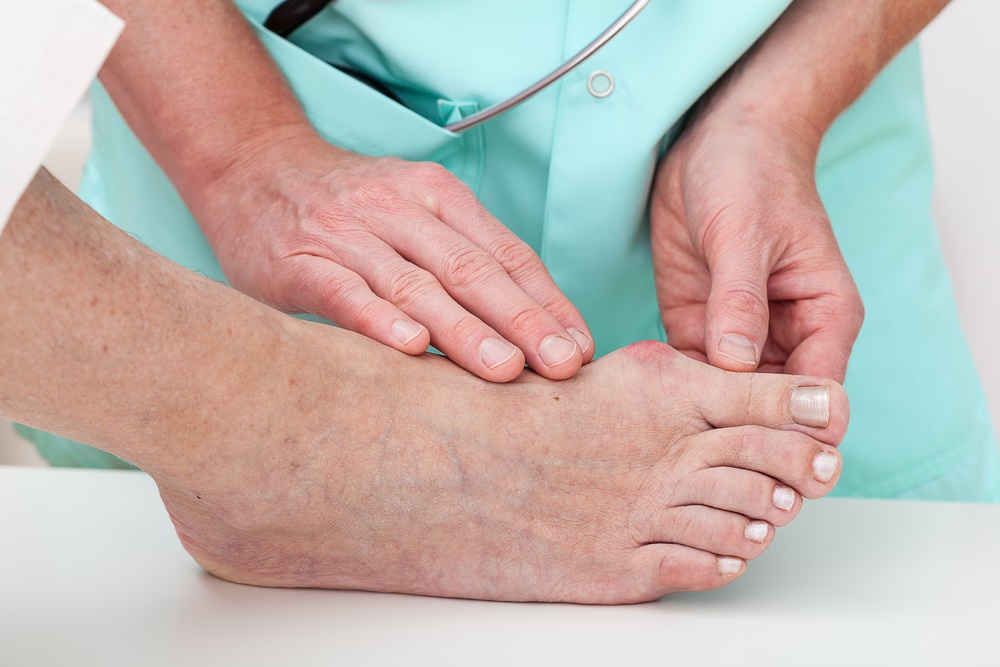 Starting last month and going all through July, brave souls have been finding their sense of balance on Lake Lemon through stand-up paddle board class. It takes commitment to learn how to find your feet on a floating board, just as it takes commitment to check your feet daily or signs of trouble—especially if you live with diabetes. Diabetic self-exams are an important part of maintaining good health, so here is some advice on making the most of your inspections.
Folding a diabetic self-exam into your daily routine is the best way to ensure you don’t start neglecting your duties. Maybe before or after a shower is the right time for you, or before slipping into bed. The more convenient for you, the better.
When checking your feet, be sure to examine everywhere; that includes the tops and bottoms of the feet as well as between the toes. Injuries and problems can pop up just about any time, and you might not be able to feel them when they happen, so it’s important to be thorough. Use a mirror if you can’t view all areas of your feet on your own, or ask for help in looking. Check for any of the following symptoms:
The more you inspect, the more you’ll be able to tell if something’s wrong. If you discover any of the above, and especially breaks in the skin that don’t heal after a couple days or signs of infection, contact Dr. Kevin Powers right away. Having problems professionally examined and treated early can help prevent them from developing into worse problems that can affect your mobility or even, in severe cases, turn life-threatening. Call our Bloomington, IN office at (812) 333-4422 to schedule an appointment.
 Have you hit the Bryan Park or Mills pools yet this season? Both are open for business and can be a great spot for fun and cooling off. Swimming is also a great activity if you live with diabetes, but remember to take care of your feet while in the water. Complications from this disease can make picking up a fungal infection or sustaining an injury a potentially dangerous situation, and you can pin most of that on a one-two combo of negative effects it has on your body.
Diabetes complications can include two particularly nasty conditions where your feet are concerned: nerve damage and poor circulation. Nerve damage, also known as neuropathy, causes a loss of sensation in the feet, while poor circulation can choke the ability for wounds on your extremities to heal quickly, or even at all. Put together, these two problems can create a disastrous situation.
If you happen to pick up a cut or sore on your foot, it may be difficult or impossible to feel because of neuropathy. If it’s unable to heal quickly, you might continue to walk on it unknowingly, keeping the wound open or even making it worse. Infection can set in more easily this way, which makes the risk of losing the foot to amputation a frighteningly real possibility.
Wounds are not the only worry. If your shoes don’t fit well and you are unable to feel it, corns or calluses can build up from the resulting pressure and friction. These may eventually turn into ulcers. Poor circulation can also contribute to the drying out of your skin and a need for consistent moisturizing to prevent cracks that can worsen into sores. Weakened muscles from nerve damage can also lead to hammertoes and bunions as bones shift, which can also lead to sores as they rub against shoes.
You can see how things can turn into a vicious cycle here. This is why it’s so important to stop damage before it starts by properly managing your diabetes, inspecting your feet on a daily basis, and reporting any problems you find to a professional. Dr. Kevin Powers in Bloomington can be a strong resource when it comes to diabetic foot care. Call our office at (812) 333-4422 and schedule an appointment to discuss the best ways to protect your feet and take care of any problems you may have recently found.


