
As part of Indiana’s Severe Weather Preparedness Week, all 43 Monroe County tornado sirens were tested on March 19. Obviously, this was done with weather in mind, but it got us thinking about the body’s natural warning systems. Your nervous system is a remarkable network that alerts your brain when something isn’t right and danger is imminent, much like a tornado siren does. It is essential that this system is able to perform its job, and this means that nerve surgery is sometimes a necessary procedure.
When you make the decision to undergo nerve decompression surgery, we will sit down and talk first so you can understand everything that it entails. Much like the value of a tornado siren, knowing what to expect can help you prepare properly. A key part of the process that we will cover is recovery from the surgery.
While you are recovering, it is important to pay attention to your bandages and ensure that they are kept dry, clean, and intact. This is an essential part of preventing an infection from occurring.
It will be important to keep weight off of your affected foot. You will not need them particularly long, but be sure to follow our instructions with regard to usage. In addition to avoiding placing weight on the foot, keep it elevated when you are lying down or sitting. Propping it up on a couple of pillows can be quite helpful.
At some point within the first 3 weeks, we will remove the stitches and evaluate your progress.
Physical therapy is an effective tool that keeps your joints flexible following nerve surgery. You do not want stiff foot or ankle joints that restrict movement once your muscles are back up to speed, and this therapy will prevent that from happening. It can also help with any “re-education” your brain may need after the affected nerve has recovered.
When you need expert surgical care for damaged nerves, make an appointment with our Bloomington, IN office. We will ensure that you receive the treatment and proper instructions for a full recovery. Contact the office of Kevin Powers, DPM today by calling (812) 333-4422.
Small things can make a world of difference. You and your children can find out for yourself at the free “NanoDays: Small Science, Big Fun” event at the WonderLab Museum on April 4, 2015. See the very, very tiny things that make up the world around us, and why they’re important! If you are seeking nerve relief, you already know the impact something small can have. Thankfully, we have the technology to get into small places and conduct nerve surgery.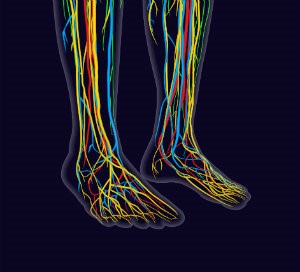
The goal of nerve surgery is usually to repair the insulating tissue that protects it. If this covering can be saved, new nerve fibers can often grow and the nerve can be restored. Once repaired, nerves will usually begin to heal within three or four weeks and grow about one inch per month. You may still have discomfort, or tingling during healing, but this will gradually subside if recovery has been successful.
In some cases, there may be a space between the ends of a nerve. It may be necessary to remove a piece of nerve from another part of the body to serve as a graft. A permanent loss of feeling may be experienced from the area that the graft was taken, so the pros and cons of such a procedure will need to be weighed carefully.
Physical therapy may be prescribed during the healing process to keep joints flexible and help improve feeling in the area. Treatments and success rates will depend on one’s age and the type of injury or condition that led to the nerve damage.
If you’re searching places big and small for nerve relief in your feet or ankles, give Dr. Kevin Powers and his staff a call. We can examine your condition and help you determine whether surgery or other treatments would work best for you. Call our Bloomington, IN office at (812) 333-4422 to schedule an appointment and take the first step toward comfort!
A pumice stone looks kind of like a petrified sponge and not an immediate first choice of something you’d want to rub against your feet. Somewhere along the line of history, though, someone figured out that this porous, lightweight piece of hardened lava can leave your feet looking much softer and smoother than it does. Not only that, but the way it removes dead skin cells can also reduce the pressure and friction one experiences from a corn or callus. It can be a beneficial tool when used correctly, but it still takes a certain approach to use well, and should not be used by everyone.
First, it’s important to note that a pumice stone can damage the skin if not used correctly. If you have diabetes and/or poor circulation, the sensation in your feet may not be strong enough to detect this damage, which can lead to open sores and infection. Do not use a stone or similar treatments before first consulting with Dr. Kevin Powers.
If you’re cleared for pumice, here’s how to get the most out of the stone:
You may not feel immediate results on a corn or callus after the first treatment, but be patient. Do not rub off too much skin in one sitting, or you will risk sores and injuries. Pumice is a patience game.
For more foot care tips, or to receive help for especially stubborn corns and calluses, contact the office of Kevin Powers, DPM. Schedule an appointment with our Bloomington, IN office by calling (812) 333-4422.
Winter may be on its way out in Bloomington, IN (we hope!), but there are still going to be days when you have the heat cranked up. When you are cold and you turn on the heat, though, you likely aren’t thinking about the way it can lead to dry feet. In the wintertime, your feet face the danger of becoming excessively dry on two fronts – arid, heated air indoors and the bone dry winter air outside.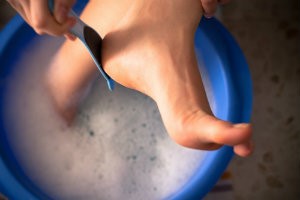
Fortunately, we have tips for you on how to prevent dry feet. This is an important part of your foot health, especially for those who live with diabetes. When you have a condition that affects your circulation and immune system, you need to take every possible precaution that you can to avoid an infection. When your feet become excessively dry, it leads to cracks and fissures that can allow microorganisms to infect your body.
Even if you do not have a disease that compromises your health, you still want to avoid the risk of infection and symptoms that accompany dry skin. Here are some tips for keeping your feet moist and healthy:
No matter if you simply would like further information, need to establish a foot care plan, or require expert medical care for your diabetic feet, we have you covered! Contact our Bloomington, IN office by calling (812) 333-4422 or requesting an appointment online today.
Spring is just around the corner, and that means sandal weather is closer than you think. It’s time to let the pampering begin with a little TLC for your toes. So pick out a pretty color, pull off those socks, grab your tools, and follow these helpful at-home pedicure tips:
Soak your feet a bit first to soften skin, drying thoroughly afterward—don’t forget between your toes. Then slough of any rough spots by gently rubbing the area with a pumice stone—the key word being “gently.”
Nothing ruins a pedicure like the possibility of nail fungus. Protect yourself by sanitizing your tools before and after each use. Never, ever cut your cuticles or use force to push them back. Only a tiny cut is needed for bacteria to creep in and a fungal infection to grow.
Also, trimming your nails straight across is recommended to avoid the possibility of ingrown nails. You should do this by using a series of small cuts rather than one big one to prevent any tearing. Be careful not to go too short either—it’s best to keep nails even with the tips of your toes.
Now go ahead and paint some color on then sit back and admire. Maybe you can even slip some sandals on for a sneak peek.
Remember to follow these guidelines throughout the sandal season to ensure your toes stay pretty and safe. Of course, if you have diabetes, it’s best if you let us do the pampering to avoid risk of complications.
For more tips on at-home pedicures, contact Dr. Kevin J. Powers at (812) 333-4422. You can also visit us at our office in Bloomington, IN, or online and on Facebook. We are happy to help!
When you have neuropathy, your feet and legs are often the sufferers. That tingling, burning sensation can drive you wild, and the sharp, stabbing pains can almost bring you to your knees. If this describes you, isn’t it time you get the help you need? Our office is proud to collaborate with Daviess Community Hospital (DCH) and now offers podiatric services Fridays from 9 AM to 3 PM at their Specialty Clinic in Washington, Indiana.
There are lots of reasons you could have pain like this in your lower limbs, but the most common is peripheral neuropathy. With the diabetic epidemic occurring in the US today, more and more people are encountering the complications of nerve damage from this disease. Diabetes causes your nerves to swell, and swollen nerves get pinched in areas where they pass between tendons and bones (called compression neuropathy).
The best person to treat nerve pain in your feet and legs is someone who understands leg and foot structures and how they work—and we have that knowledge and experience. If you have had a nerve test that is inconclusive, or are taking “nerve pills” that dull the pain (and your thinking), come to our office for expert diagnosis and treatment.
As a member of the Association of Extremity Nerve Surgeons, we offer outpatient procedures that release pressure from the compressed nerve. Usually you can leave walking on your foot and leg as you normally do—minus the pain. Of course, if something other than a pinched nerve is causing your condition, such as vitamin deficiency, an accident, excessive alcohol, or exposure to toxins, we can help you identify those causes and find the right treatment for them, too.
If you live in the Daviess County area and are suffering from nerve pain, call 812-254-2911 to set up an appointment during our new Friday hours at the Medical Clinic in Washington, or at 812-333-4422 for our office in Bloomington, IN. You can also schedule through our website. We look forward to helping you live a life without foot pain!
Many talented actresses and actors are nominated for the 2015 Academy Awards—simply being selected is an achievement in itself. Even winners can be losers too, though, if someone develops bunion pain from wearing high heels to the ceremony.

High heels don’t cause bunions, a subluxation of the big toe joint that creates a bony prominence on the inside of your foot, but they can aggravate the deformity. When you put your foot in a high heel, all your body weight is shifted onto the ball of your foot, where the bunion is. The pressure and stress on the bones create aching bunion pain that gets worse over time. Some people who have a bunion also have a displaced bone that changes the way their foot moves, which can further aggravate the area.
Pointy toes can also cram the digits together, further squeezing your bunion and creating discomfort. This may cause your big toe to drift towards your little toes, a common visible characteristic of a bunion.
Your first plan of attack could be switching to lower heels (less than 2 inches high). However, if the bunion is already there it’s only going to get worse and cause you more pain in the future. Surgery to straighten the toe is the best solution.
At Kevin J. Powers, DPM, we offer multiple types of procedures to help you banish bunion pain. Dr. Kevin Powers has performed hundreds of successful procedures in his 25 years as a podiatrist. Please make an appointment at (812) 333-4422 to discuss your options with professionals.
Neuropathy is so boring! No, we really mean it. Pain from this nerve problem in your feet can leave you with a dull, aching, burning, and numb sensation that’s hard to relieve. However, this discomfort may also make you feel boring—it can keep you from smiling, starting a new hobby, or doing things around town like attending the “Good Kids” production at IU Theatre on Friday. Neuropathy treatments are never fun, but if you apply some simple at home treatment they can help you have more fun!
If you’re suffering from diabetic neuropathy, the best thing you can do for your pain is manage your blood sugar levels. The spikes in your levels are what cause nerve damage in your feet. If you can get that under control, you’re well on your way to reducing pain and lessening damage.
Go for a walk; it will help keep your blood circulating and may relieve some discomfort. Getting any form of exercise can also keep blood sugar levels under control.
Eat healthier and make sure your body gets the nutrients it needs. Pick up the clean eating trend everyone’s been talking about—more real foods and less processed products. Eat vegetables, whole milk, protein and meat—like grass-fed beef—and healthy fats like butter, nuts, and avocado. Avoid carbs like whole grains, bread, rice, and fruit. While you’re at it, pick up a book and start reading about nutrition! Our suggestions for your library are Wheat Belly and Grain Brain.
Smoking can affect your circulation, which in turn affects your body’s sense of feeling and ability to heal. If you smoke or drink alcohol, your neuropathy symptoms or complications might be worse than they have to be. Quit smoking and avoid drinking excessively to keep your pain under control.
Daily foot checks can also keep you from getting ulcers and wounds that could cause infection. Wear padded shoes and socks to prevent against these dangers.
Dr. Powers specializes in nerve pain and neuropathy treatments to get you back to your normal, un-boring self! Please make an appointment with our office in Bloomington, IN, to manage your discomfort. You can reach our office by calling (812) 333-4422.
Rice is a great ingredient to elevate your soup to another level, and what better day to really up your soup-making game than on Homemade Soup Day! On Wednesday, February 4, you can treat your friends or family to some wild rice soup, minestrone, or the classic chicken noodle. RICE is also good first aid for injuries, but we’re not talking about grains of rice here—we’re talking about the acronym RICE, which stands for rest, ice, compression, and elevation.
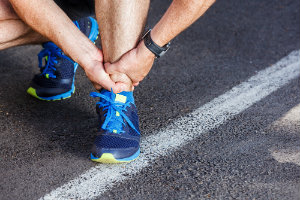
Whether it’s a serious or minor injury, you can use this technique to help with pain and swelling immediately after it’s happened. In fact, if this treatment is applied correctly, it may reduce your recovery time. If you need help for a larger problem, call our office immediately.
Rest – This stands for resting your foot and resting from activities for a certain period of time. If you feel any type of pain, you should rest from whatever is causing it. Don’t try to work out through the pain. If you do, you risk sustaining a larger injury that could keep you inactive for longer.
Ice – Putting an ice pack on your foot will relieve pain and reduce swelling. You should use ice on the injury for 15 to 20 minutes at a time, three times a day, within 24 to 72 hours of your injury. This can greatly decrease the damage incurred.
Compression – Your ankle or foot can be wrapped with compression bandage to reduce swelling and inflammation. When the injured area is compressed, the tissue is compressed, which then narrows the blood vessels that would otherwise become inflamed.
Elevation – During the first 48 hours of your injury, you should try to keep your foot elevated. Elevation decreases swelling and the pain associated with it. Try to keep your lower limb above hip level to keep it “properly propped.”
Using this first aid for injuries can speed your healing time and also take away a lot of initial pain and damage to your foot. It is not a substitute for podiatric care, though. Call Kevin J. Powers, DPM, in Bloomington, IN, at (812) 333-4422 to get help for any serious injury like a broken or sprained ankle.
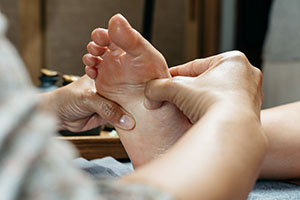 Being grateful can significantly change the way you look at your life. If you’re thankful, it’s easier to put things in perspective. Take your heel pain, for example. Sure, it’s painful and hard to walk on, but at least you can massage the area to give yourself some heel pain relief. This is unlike other areas of the body, like your back, that you can’t reach on your own. Let our experts at Kevin J. Powers, DPM, help you put things in perspective and ease your discomfort.
Massaging and stretching the plantar fascia on the bottom of your foot is not a treatment plan—it won’t completely eliminate your heel pain. However, it will provide some short-term relief if you’re seized up with pain. Your plantar fascia is a ligament that runs from your heel bone to your toes and supports your arch. When you have pain in your heels, it’s most likely caused by this ligament being overstretched and torn.
You can massage your arch by rolling a golf ball around with the bottom of your bare foot. You can also do this with a frozen water bottle to get some extra pain relief. The gentle pressure will stimulate blood flow and relax your muscles. Remember that massage should not hurt. Be gentle as you relieve pressure. If the area still hurts, consult your doctor before doing any more self-massage.
You can also stretch your arch by sitting upright in a chair, grabbing your toes, and pulling them towards you until you feel a stretch in the bottom of your foot. Hold for 30 seconds and repeat 5 times.
To further aid in your heel pain relief, invest in a good pair of shoes and consider taking an oral anti-inflammatory medication. If your problem doesn’t go away, please visit Kevin J. Powers, DPM, by making an appointment with our office at (812) 333-4422.


