
When you are remodeling your home and wanting to take out walls for that highly sought after “open floor plan,” you need to be careful that you don’t affect or damage the main supporting structures in the home. There are also main supporting structures in your feet and the posterior tibial tendon is one of them. This tendon helps turn the foot when you are walking and is a main support to the arch of the foot. Because we use it with every step, problems can develop with this tendon and cause the foot to flatten over time. This is called posterior tibial tendon dysfunction, or PTTD.
Also referred to as “adult acquired flatfoot,” PTTD is an overuse injury, so you are at a higher risk if you are involved in activities with a lot of walking, running, jumping, or stair climbing. Physical therapy for PTTD can be helpful in managing the condition. Exercises that target the right tendons and muscles can help rehabilitate damaged tissues and get you back on your feet without pain.
The following are easy exercises you can do right at home. Start on the floor with your affected foot out in front and loop a towel around the ball of the foot. Gently pull the towel towards you until you feel a stretch in the calf. Next, stand next to a wall and place the toes of the affected foot up against the wall—lean forward until you again feel a stretch in the calf. While standing, balance on the affected foot and then progress to pushing up onto the ball of your foot while still balancing. Trying to walk down a straight line on your tiptoes can also be helpful. Last, take an exercise band and loop it around the bottom of your foot. While holding the other end and providing resistance, press your foot downward. You can also do the reverse by looping the band around the top of the foot and with the other end attached to a fixed object, pull your foot upward.
If flat feet are becoming painful for you and interfering with the shoes you wear and the activities you can do, make an appointment with Dr. Kevin J. Powers for a complete evaluation. We can help determine if physical therapy for PTTD is right for you. Call our Bloomington, IN office at (812) 333-4422 for an appointment today.
Sometimes you have to be creative in fixing things to make them last. An old treasured antique may not look as good as new, but you can add polish and tweak parts here and there so it works. You can find such fixed-up items at the local B-Town, Jolly Roger, or other flea markets all the time. When things go wrong in your home and you can’t afford an expensive technician, sometimes you have to get creative and fix what’s wrong on your own. While bunions can ultimately be corrected with surgery if that is the route you choose, there are ways to take care of your bunions at home to prevent them from getting to that stage.
A bunion problem often develops because of inherited foot structure prone to this type of deformity. A foot injury, certain type of arthritis, and certain footwear can each be contributing factors as well. When the structures within your foot cannot bear or distribute weight properly, the big toe joint can become unstable and the big toe shifts over. It is when this happens that the characteristic bony bump protrudes on the side of the foot.
If you already have bunions, whether severe or just starting, start out by wearing the right kind of shoes. Steer clear of styles with tight, pointed toe boxes that would only encourage the toe to push over farther, and avoid high heels that put all of your body weight onto the ball of the foot. A weakened structure doesn’t need any unnecessary extra pressure. If your bunions are painful, avoid activities that aggravate the toe joint and apply an ice pack several times a day to reduce pain and swelling. Talk to your doctor to see if there is a pain reliever or anti-inflammatory medication that is appropriate for you to take. You can also try bunion pads or moleskin on pressure areas to protect the bunion from rubbing in your shoes. Last, it may be very helpful to wear a pair of orthotic inserts in your shoes to keep your foot stable and cushioned.
We don’t want you living life with pain and we know how painful bunions can get if they aren’t treated properly. Contact Dr. Kevin Powers if you have concerns about your bunions or would like further information. Call our office in Bloomington, IN at (812) 333-4422 for an appointment today.
Photo Credit: Marin via FreeDigitalPhotos.net
What happens when you launch a pumpkin hundreds of feet? Get the chance to see at the annual Bloomington Pumpkin Launch this Saturday, November 1 at the Monroe County Fairgrounds. Luckily, when your ankle fractures, you can put the pieces back together with proper rest and rehabilitation. However, if you’re still dealing with chronic ankle pain after your injury, you could be experiencing one of these complications: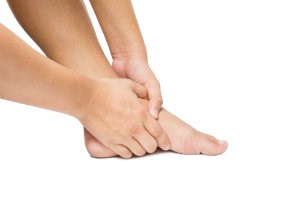
Nerve injury following a broken ankle, or even a sprained ankle, is very common and often misdiagnosed. Many patients will say that their treating doctor said, “The bone has healed wonderfully and there’s no reason for you to have pain.” However, there is a reason, because the problem lies in an injury to the nerve around the foot and ankle.
It’s vital that you seek an opinion on your ankle pain from an expert who has specific training diagnosing and treating nerve injuries. Dr. Powers is a Fellow of the Association of Extremity Nerve Surgeons. He trained at the prestigious Dellon Institute for Peripheral Nerve Surgery and the Mayo Clinic School of Research.
This breakdown and stiffness of the joints could happen years after your injury. Post-traumatic arthritis closely mimics osteoarthritis and may create a decreased range of motion in the joint as well as pain. If you need more help with this, make an appointment with Kevin J. Powers, DPM.
When you have a fracture where the bone pokes through the skin, you’re at a high risk for developing an infection. That’s why the doctor prescribes antibiotics when this type of break happens. Surgery is another instance where you may encounter infection. Treatment may involve an additional surgery to take the hardware out of your ankle. For closed fractures, the risk of infection is less than 2 percent.
This occurs when there’s increased pressure and swelling in the muscles surrounding the injury. This pushes on the nerves and blood vessels and causes the area to become very tense. Compartment syndrome usually happens after high-impact injuries like vehicle crashes.
If you’re dealing with chronic ankle pain from any of these three complications following your fracture, make an appointment with Dr. Kevin Powers by calling his Bloomington, IN, office at (812) 333-4422. We’re also available on Facebook, Twitter, and Pinterest! Happy Halloween!
 National Breast Cancer Awareness Month is all about knowledge, treatment, and prevention of this type of cancer, which is the second most common type found in women. In fact, 1 in 8 women in the U.S. will get breast cancer at some point in their life. Spread the word about prevention this October—it could save someone’s life. Prevention is also important for a less serious condition in your feet—heel pain. In that case, stretches for plantar fasciitis will ease and prevent your pain.
To avoid this condition, stretch your calf muscles. Tight calf muscles can cause you to overpronate, which may be what causes your condition in the first place.
Wall Stretch – To stretch your calves, place your palms at shoulder level and put one foot behind you, keeping the leg straight and heel on the ground. Lean into the wall and bend your front leg at the knee until you feel a stretch in your calf. Hold for 30 seconds and repeat on the other leg.
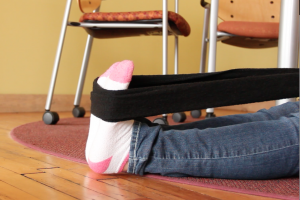
Arch Stretch and Towel Stretch – You can also practice prevention by stretching the plantar fascia, which is where the pain occurs. For an easy stretch, grasp the toes and ball of your foot and pull gently towards your shins until you feel a stretch on the bottom of your foot along the arch. You can also stretch the arch by sitting on the floor and looping a towel around your toes to pull them towards you.
Frozen Water Bottle and Tennis Ball Stretches – To get quick and easy relief for your pain, freeze a water bottle and roll your arch over it. You can also roll a tennis or golf ball underneath the foot. The objects will stretch and massage the plantar fascia.
If you need more stretches for plantar fasciitis or have finally decided to see a doctor for your persistent pain, look no further. Kevin J. Powers, DPM, has been helping patients with their foot and ankle pain for 25 years. To make an appointment, call our office in Bloomington, IN, at (812) 333-4422.
The fall season is a time that many hunters have anticipated all year and camouflage gear is top on the list. Blending in with your surroundings is essential in setting up a successful hunting outing—you need the advantage if you want to stealthily move in on your prey. Did you know, though, that you may have dangerous foreign objects lurking and blending in right in your very own home? If you have diabetes, walking barefoot, even in the winter and indoors, exposes your feet to injury.
You may be asking, “So, you are telling me I shouldn’t even walk barefoot in my own house?” For the average person, it is generally safe if you keep a home that is clean and free of clutter. If you have a condition such as diabetes, though, we want you to pay attention here. Nerve damage as a result of neuropathy, is a common condition that accompanies diabetes. If you have nerve damage in your feet, you cannot afford to walk barefoot in or outside of your home. A puncture wound is different than a cut in that it is a small hole in your skin. While it isn’t an open wound, it can be deep and hide a serious injury underneath. Depending on what the foreign object is, it could leave pieces embedded in your skin or leave bacteria behind, increasing your risk for infection. With diabetes, a small puncture wound could very easily turn into an ulcer with serious consequences.
The best way to avoid this is to wear protection on your feet at all times. If you like to wear house slippers, make sure they have a thick sole to protect the bottoms of your feet. Never go outside without shoes—even five steps on your driveway to grab the newspaper. There could be a sharp rock or piece of broken glass and nerve damage could prevent you from even feeling the puncture in the first place—this is a dangerous situation when the injury is unknown and is left untreated.
If you suspect you may have stepped on something sharp or have a puncture wound, stay on the safe side and let us check it out. We’ll make sure it is treated properly and help you toward a safe and effective recovery. Don’t wait! Contact Dr. Kevin Powers in Bloomington, IN at (812) 333-4422 for an appointment today.
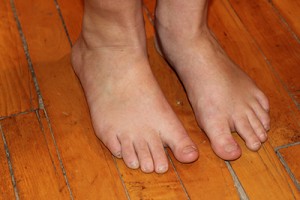 In just a couple of months we will be thinking about everything Christmas-related. In fact, it won’t be too long before the shelves in stores are stocked with red and green—seems to happen earlier every year! The Christmas season may send shivers down your spine as you anticipate hanging lights and the frustration of what happens when even one section has a problem—one burnt light and they all go out. In a similar way, when a nerve in your body has a problem, the effect can be widespread. This is the case with a condition called foot drop in which a nerve injury affects your ability to move your foot and ankle.
Foot drop is also called peroneal nerve injury. The peroneal nerves branch out from the sciatic nerve and supply sensation to the front and side of your legs and the top of your feet. They also supply the movement necessary to lift your toes and ankle upward—when these nerves are injured, the result is an inability to do exactly that. Further symptoms of a peroneal nerve injury include weakness, pain, numbness on the top of your foot or on your shin, and loss of function. When a patient is unable to lift the front part of the foot, it is common to see a high stepping walk, which is also called steppage gait—this is a natural response during walking. This condition can affect anyone at any age and there are several contributing factors, which include injury to the knee, regularly crossing your legs, joint dislocation or fracture, wearing high boots, having a tight plaster cast on your lower leg, and underlying disease such as Parkinson’s and multiple sclerosis. Other causes of drop foot include sprained ankle and knee joint replacement.
We have several ways we can treat foot drop so you feel more stable when you walk and have no discomfort in your foot. We may use custom orthotics, foot splints, braces, and physical therapy to maximize your mobility. Contact Kevin J. Powers, DPM for further information or treatment. Dr. Powers is the only foot specialist who has special training and certification to perform drop foot surgery–just see what our patients have to say on our testimonials page. He is also a Fellow of the Association Of Extremity Nerve Surgeons and has had microsurgical training by the Mayo Clinic. You can reach our office in Bloomington, IN, by calling (812) 333-4422 or contact us through our website.
The fall season is a time when the fashion scene comes alive. The Mercedes-Benz Fashion Week takes place in several different countries throughout the fall and showcases the latest from the time-honored and up-and-coming designers. Shoes are always a hot topic, but there often is no thought given to comfort—only what will grab attention on the runway. If you have bunions, sacrificing comfort for fashion may have you hobbling in pain at the end of the day. The right kind of shoes for bunions will not only keep your feet happy during the day, but also help prevent the problem from getting worse.
Whether your bunion problem is at the beginning stages, or you have a nasty, painful bump protruding out of the side of your foot, what you wear on your feet is crucial. Bunions typically develop due to a faulty foot structure, and you may not be able to prevent them from eventually making their presence known. You can, however, delay their progression, and a big factor is the footwear you choose. Ladies, unfortunately those tight, pointy high heels are simply not going to be friendly to your bunion-prone feet. This type of shoe only forces your toes into an unnatural, awkward position, which will encourage the big toe to lean inward even further and make the bump even bigger.
Purchase shoes for the larger foot if your feet are different sizes, and go shopping later in the day when your feet are biggest. Whether you need a narrow shoe or a wider style, don’t settle until you find one that really fits your feet well. Look for a pair with a wide, deep toe box and made of a stretchable material. Custom orthotics and bunion pads can also offer cushioning and support, so you’ll need to find shoes with room to accommodate these if you are going to wear them.
Comfort and support is important in shoes for bunions. If you are struggling with pain or can’t find the right pair of shoes, contact Kevin J. Powers, DPM for help. You can reach our office in Bloomington, IN by calling (812) 333-4422.
Photo Credit: Marin via FreeDigitalPhotos.net
The Great Amazing Race is a superb family-friendly event coming up September 27, 2014 in Indianapolis, IN. Sign up your team of two to race around a one-mile course, on which you will have to complete several fun challenges as a team. It is a great experience for adults and kids alike to enjoy—a great way to get your kids active! Running with heel pain is not enjoyable at all, however. Whether you are gearing up for a fun race like this or a more serious marathon, we can offer some tips to relieve your heel pain and get back on track.
For runners, heel pain is often caused by a condition called plantar fasciitis. Overuse and the repeated impact of your foot striking the ground can cause the plantar fascia, a thin ligament across the bottom of your foot, to sustain tiny tears and become inflamed. This injury can cause searing pain when you step out of bed in the morning or stand up after sitting for a while.
If you want to get back to running safely, it is worth having Dr. Kevin J. Powers evaluate the nature of your injury and help identify what caused it in the first place. We can also identify any structural problems that may have contributed to the injury and treat that specifically. Flat and high arched feet and a tight Achilles tendon are common contributing factors to plantar fasciitis. We may also suggest some effective stretches that target that area of your foot, taping, night splints, footwear modifications, and custom orthotics to help you back on the road without foot pain. If you increased the duration or intensity of your workouts too quickly, then it will be important to scale back on your running to take pressure off the plantar fascia. Keep your mileage increase to less than ten percent per week.
Don’t try to run through the pain—take care of it the right way from the start. If you have been running with nagging heel pain from plantar fasciitis, contact Dr. Kevin J. Powers in Bloomington, IN for treatment. We help athletes of all kinds and ages stay at the top of their game. You can reach our office by calling (812) 333-4422 or through the contact option on our website.
There are many situations where a problem on the surface could be caused by a number of factors going on underneath. An unsafe bridge could be due to poor construction, age, or amount of traffic over time. Cavities in your teeth could be caused by what you eat, failing to floss, and poor brushing habits. Neuropathy is a serious foot condition in which nerves become damaged. It is widely known to be associated with diabetes but there are actually several neuropathy causes.
Neuropathy is a complication that can develop within several different medical conditions. The dominant symptom is nerve damage, which affects your ability to feel heat, cold, and pain. This loss of sensation puts a person at high risk for injury, making it imperative that you control the problem and do everything possible to prevent future damage. At the root of this is finding out what is damaging the nerves in the first place.
Peripheral neuropathy can affect autonomic nerves, motor nerves, and sensory nerves. Patients often complain of tingling sensations, burning, and numbness. While diabetes is the leading cause of this condition, which often manifests in the lower extremity, there are several other factors, which include: chronic liver disease, chronic kidney disease, HIV infection, Vitamin B deficiency, cancer, Lyme disease, Charcot-Marie-Tooth disease, and excessive alcohol use.
If you are feeling any of the symptoms mentioned above, we strongly encourage you to seek medical treatment and find out what is happening. After the root cause is identified, the proper treatment can begin to reduce your risk of any future nerve damage. Don’t ignore symptoms. If they are due to a life-threatening disease, they are the clues to show that you need to take action. Contact Dr. Kevin Powers in Bloomington, IN, if you are experiencing a loss of sensation or burning in your feet. Call our office at (812) 333-4422 to request an appointment today.
Photo Credit: Renjith Krishnan via FreeDigitalPhotos.net
 If you are over 50 years of age and like to be active, don’t miss out on the Senior Games in Ellettsville, IN! Taking place September 3-15, 2014, there will be a myriad of great events over the course of three weeks including: swimming, putt-putt, bowling, golf, softball, volleyball, table tennis and more. If this sounds like great fun, but a painful bunion problem is keeping you out of the loop, it may be time to look into bunion surgery to relieve your symptoms and get you back into the swing of things.
We have treated and helped many patients with bunions—some at the beginning stage who want to prevent their condition from getting worse, and others with severe deformity and pain. Bunions are unfortunately one of the common foot conditions that are progressive and worsen over time without intervention. You most likely inherited a faulty foot structure, which is the root cause for this problem, but poorly fitting shoes, such as pointy high heels, can make bunions worsen a lot quicker. At our office, we always exhaust all conservative treatment methods before discussing surgery. However, if such methods have been tried, yet you still have severe pain, are unable to wear shoes comfortably, cannot bend or straighten your big toe, and cannot engage in the activities you would love to do, then surgery may be the best option for you.
Dr. Kevin J. Powers, DPM can evaluate your condition and suggest the best plan of action. If bunion surgery is necessary, the goal will be to repair the joint damage, realign the big toe and restore function back to the toe joint. There are several types of surgery depending on the severity of your deformity, but almost all are done on an outpatient basis, and our office will guide you through every step of the process. If you have been living with constant pain out of fear of surgery, please contact us. We can answer all of your questions and find the best plan to help you find relief. Call Dr. Kevin J. Powers, DPM in Bloomington, IN at (812) 333-4422 today.


